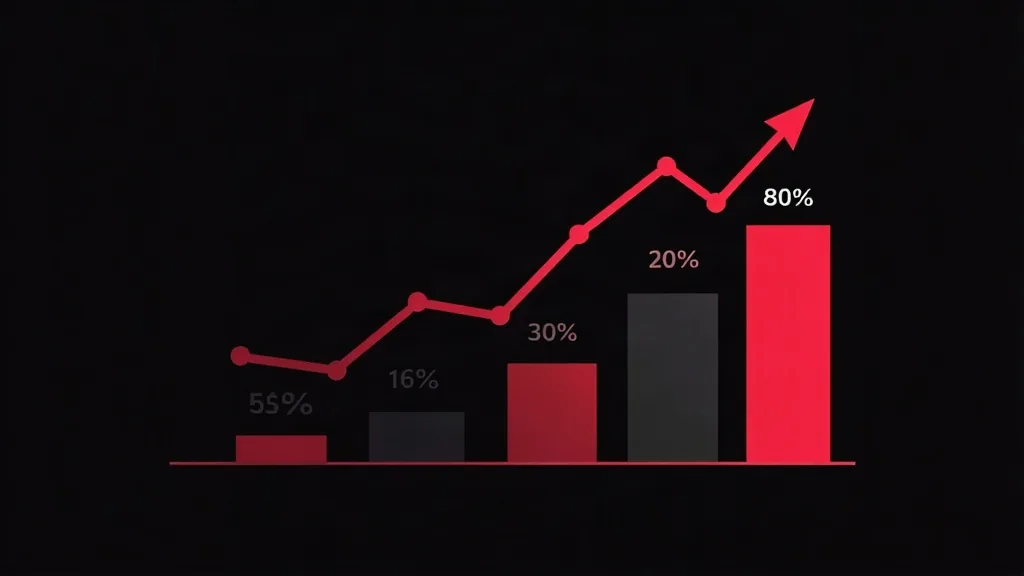
AI-powered personalization tailors your website content, offers, and messaging to each visitor in real time. In 2026, affordable tools make it accessible to small businesses. Start with clear goals, clean data, and a few high-impact use cases like personalized recommendations, dynamic content, and smart follow-ups.

For years, personalized website experiences felt like a luxury reserved for large corporations with big budgets and dedicated data teams. That is no longer the case. In 2026, AI-powered personalization for small business websites has become both affordable and practical, giving you the ability to treat every visitor like an individual rather than a face in the crowd.
If you run a small or mid-sized business, this shift matters more than you might think. Your customers now expect websites to understand their needs, remember their preferences, and show them what is relevant. Generic, one-size-fits-all pages are quietly costing you sales. This guide explains what AI personalization actually does, why it works, and how you can put it to use without hiring a technical team.
What AI-Powered Personalization Really Means
Personalization is the practice of adapting your website to each visitor based on who they are, what they want, and how they behave. AI takes this further by analyzing patterns across thousands of interactions and making decisions in real time, without you having to set every rule manually.
In practical terms, AI-powered personalization can:
- Recommend products or services based on a visitor's browsing history
- Change your homepage headline depending on the visitor's location, device, or referral source
- Show returning customers different content than first-time visitors
- Adjust pricing displays, offers, or calls to action based on intent signals
- Trigger the right follow-up email or chat message at the right moment
The key difference from older approaches is speed and scale. Traditional rule-based personalization required you to predict every scenario. AI learns continuously, spotting opportunities you would never think to program yourself. For a small business, this means you get enterprise-level intelligence working quietly in the background.
Why Personalization Matters More Than Ever in 2026
Customer expectations have risen sharply. People interact daily with platforms that anticipate their needs, from streaming services to online marketplaces. When they land on your website and see irrelevant content, the contrast is jarring. They leave, often without a second thought.
There are three business reasons why this deserves your attention now.
Higher conversion rates. When visitors see offers and content that match their interests, they are far more likely to take action. Even modest personalization, such as showing recently viewed items or location-specific offers, can lift conversions noticeably.
Stronger customer loyalty. Personalization signals that you understand and value your customers. A returning visitor who is greeted with relevant recommendations feels recognized, which builds the kind of trust that turns one-time buyers into repeat customers.
Better use of limited traffic. Small businesses rarely have unlimited visitors. Every person who lands on your site is valuable. Personalization helps you make the most of the traffic you already have, rather than spending more to attract new visitors who bounce.
In 2026, the cost of ignoring personalization is no longer neutral. Your competitors, including smaller ones, are increasingly using these tools. Standing still means falling behind.
Practical Use Cases You Can Start With
The idea of personalizing your entire website can feel overwhelming. The good news is that you do not need to do everything at once. The most effective approach is to start with a few high-impact use cases and expand from there.
Personalized product and service recommendations
If you sell products or offer multiple services, recommendations are one of the fastest wins. AI can analyze what a visitor views, adds to a cart, or searches for, then suggest relevant items. This works for e-commerce stores but also for service businesses. A consultancy, for example, can guide visitors toward the service package that best matches their stated needs.
Dynamic homepage and landing pages
Instead of showing the same homepage to everyone, AI can adapt what visitors see. A first-time visitor from a social media ad might see an introductory message and a clear explanation of what you do. A returning customer might see new arrivals or a loyalty offer. This kind of dynamic content keeps your messaging relevant to where each person is in their journey.
Smart search and on-site assistance
AI-powered search understands intent, not just keywords. If a visitor types a vague or misspelled query, the system still returns useful results. Add an AI chat assistant, and visitors can get instant answers to common questions, which reduces friction and keeps them engaged. For a small team, this also means fewer repetitive support requests.
Behavior-based follow-ups
Personalization does not end when someone leaves your site. AI can trigger tailored follow-ups based on behavior. Someone who abandoned a cart might receive a gentle reminder. Someone who read several blog posts on a topic might get an email offering a related resource. These timely, relevant touchpoints often recover sales that would otherwise be lost.
Location and language adaptation
If you serve customers in different regions, AI can automatically adjust currency, language, shipping information, or featured products based on where a visitor is located. This removes confusion and makes your business feel local, even when you operate globally.
How to Implement Personalization Without a Technical Team
You do not need to build custom software to benefit from AI personalization. The market in 2026 offers many accessible tools designed for small businesses. Here is a sensible path to follow.
Start with clear goals. Decide what you want personalization to achieve. Is it more sales, more sign-ups, longer engagement, or fewer support requests? Clear goals help you choose the right tools and measure success. Without a goal, personalization becomes a novelty rather than a growth driver.
Get your data in order. AI personalization runs on data. This includes what pages people visit, what they buy, and how they interact with your site. Make sure you have reliable analytics in place and that your data is clean and organized. You do not need vast amounts of data to begin, but you do need accurate data.
Choose tools that fit your platform. Many website builders and e-commerce platforms now offer built-in personalization features or easy integrations. Look for tools that connect with your existing setup, require little coding, and offer clear reporting. Avoid over-complicated systems that demand constant management.
Begin small and test. Launch one or two personalization features first. Measure the impact against your goals. Testing lets you learn what resonates with your audience before you invest more time and money. Personalization is an ongoing process of refinement, not a one-time project.
Respect privacy and be transparent. Personalization depends on trust. Be clear about what data you collect and how you use it. Comply with privacy regulations relevant to your customers, and give people control over their preferences. Responsible personalization strengthens trust rather than eroding it.
If this feels like a lot to manage alone, working with a digital partner can accelerate results. An experienced agency can help you select the right tools, set up the data foundations correctly, and design personalization strategies that align with your brand and business goals.
Common Mistakes to Avoid
As you adopt AI personalization, a few pitfalls are worth keeping in mind.
The first is over-personalization. When content changes too dramatically or feels intrusive, visitors can find it unsettling. The goal is to feel helpful, not to appear as though you are watching every move. Aim for relevance that feels natural.
The second is neglecting the human element. AI handles scale and speed, but your brand voice, empathy, and judgment still matter. Personalization should enhance the human experience of your business, not replace it with cold automation.
The third is set-and-forget thinking. Personalization tools improve over time, but they still need your attention. Review results regularly, refine your approach, and adjust as your business and customers evolve.
Avoiding these mistakes keeps your personalization efforts effective and your customer relationships strong.
Conclusion
AI-powered personalization is no longer out of reach for small businesses. In 2026, the tools are affordable, the setup is manageable, and the benefits are clear. When you show visitors content, offers, and recommendations that genuinely match their needs, you convert more of them into customers and keep those customers coming back.
The smartest way to begin is not with a massive overhaul but with focused steps. Set clear goals, organize your data, pick tools that fit your platform, and start with a few high-impact use cases such as recommendations or dynamic landing pages. Measure the results, learn, and expand.
Your website is often the first and most important interaction a customer has with your business. Making that experience feel personal is one of the most effective ways to stand out in a crowded market. If you are ready to turn your website into a smarter, more responsive asset, now is the time to put AI-powered personalization to work.