AI chatbots engage visitors in real time and qualify leads conversationally, while lead capture forms work best for high-intent actions and structured data collection. The smartest approach is combining both: use chatbots for engagement and guidance, forms for commitment moments. Match the tool to visitor intent to maximize conversions.

Every visitor who lands on your website represents a potential customer, but most of them leave without taking any action. The tools you use to capture their interest in those first few moments can make the difference between a growing pipeline and a stream of missed opportunities. Two of the most common conversion tools are AI chatbots and lead capture forms, and business owners often wonder which one deserves the investment.
The honest answer is that both have distinct strengths, and the best choice depends on your audience, your offer, and the stage of the buyer journey. In this guide, you will learn how each tool works, where it shines, where it falls short, and how to combine both for the strongest results.
How Lead Capture Forms Convert Visitors
| Opcija | Prosečna cena mesečno | Stopa konverzije | Kada se isplati |
|---|---|---|---|
| AI chatbot | 50€ | 25% | Preko 1000 posetilaca mesečno |
| Lead capture forma | 15€ | 10% | Manje od 500 posetilaca mesečno |
| Hibridni pristup | 70€ | 32% | Preko 2000 posetilaca mesečno |
| Bez alata | 0€ | 3% | Nikada |
Lead capture forms are the classic workhorse of online conversion. A visitor fills in fields such as name, email, and company, then clicks a button to download a resource, request a quote, or book a call. They are simple, reliable, and familiar to nearly everyone who browses the web.
Forms perform best when visitors already know what they want. Someone who clicks a "Request a Demo" button is signaling clear intent, and a well-designed form gives them a direct path to act on it. Forms also deliver clean, structured data that flows neatly into your CRM or email platform, which makes follow-up and segmentation straightforward.
The main weakness of forms is friction. Every additional field increases the mental effort required and lowers completion rates. Visitors who are still exploring, comparing options, or unsure of their needs often hesitate to hand over personal details to a static form. A form cannot answer a question, reassure a nervous buyer, or guide someone toward the right offer. It simply waits, and if the visitor is not ready, they move on.
How AI Chatbots Convert Visitors
AI chatbots take a conversational approach. Instead of presenting a fixed set of fields, they engage visitors with a greeting, respond to questions in natural language, and guide people toward the next step based on what they say. A modern AI chatbot can understand intent, recommend relevant content, answer common objections, and qualify a lead before a human ever gets involved.
The biggest advantage is engagement. Chatbots meet visitors where they are, including those who are not yet ready to commit. A curious visitor who would never fill out a form might happily ask a chatbot about pricing, delivery times, or whether your service fits their situation. That conversation builds trust and gradually moves the visitor closer to a decision.
Chatbots also work around the clock. If a prospect visits your site at midnight or during a holiday, the chatbot responds instantly instead of leaving them to wait for business hours. This responsiveness matters, because interest fades quickly once a visitor leaves.
The trade-off is complexity. A poorly configured chatbot can frustrate visitors with irrelevant answers or repetitive loops. Chatbots require good training, clear conversation flows, and ongoing refinement to perform well. They also collect data in a less structured way than forms, so you need a system that organizes conversational responses into usable records.
Comparing the Two on Key Conversion Factors
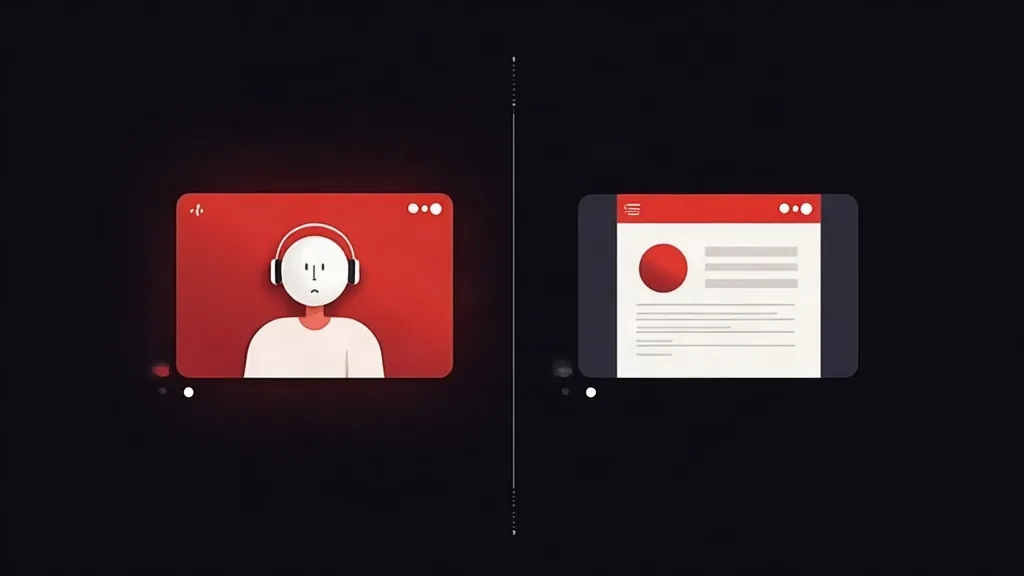
When you place these tools side by side, the differences become clear across several important factors.
Visitor intent. Forms excel with high-intent visitors who are ready to act. Chatbots excel with mid-intent and low-intent visitors who need guidance before they commit. If your traffic is mostly bottom-of-funnel, forms may be enough. If you attract a lot of exploratory traffic, chatbots can rescue conversions that forms would lose.
Friction and effort. Forms place the burden on the visitor to supply information upfront. Chatbots spread that effort across a conversation, asking for details only after they have provided value. This often feels less demanding and improves completion among hesitant visitors.
Speed of response. A form submission typically triggers a delayed email or callback. A chatbot responds in real time, answering questions and keeping the visitor engaged during the critical window when interest is highest.
Data quality. Forms produce clean, predictable data that integrates easily with your tools. Chatbots gather richer context about visitor needs, but that data requires more processing to become actionable. The best setups capture both the structured essentials and the conversational insight.
Scalability. Both tools scale well, but chatbots handle a higher volume of unique, varied interactions without human staffing. A single chatbot can hold thousands of simultaneous conversations, while a form simply collects submissions for your team to process later.
Personalization. Forms are static by nature. Chatbots adapt in real time, tailoring their responses and recommendations to each visitor. This personalization can significantly lift conversion rates, especially for complex offers.
When to Choose Each Tool
The decision does not have to be either-or, but there are situations where one tool clearly fits better than the other.
Choose a lead capture form when the action is simple and the intent is high. Newsletter signups, gated downloads, contact requests, and checkout flows all benefit from a clean, focused form. Forms are also the right call when you need very specific structured data, such as a detailed quote request with defined fields.
Choose an AI chatbot when visitors need guidance before they convert. If you sell a service that requires explanation, offer multiple products that suit different needs, or attract traffic that is still researching, a chatbot helps visitors find the right path. Chatbots are also ideal for answering frequent pre-sale questions, reducing support load, and engaging visitors who would otherwise bounce.
For most businesses, the real opportunity lies in using both. A chatbot can engage and qualify a visitor, then hand them to a short form at the moment of commitment. Alternatively, a form can collect the essentials while a chatbot stands ready to answer any question that might cause hesitation. The tools complement each other rather than compete.
Building a Combined Conversion Strategy
To get the most from both tools, think about your visitor journey as a series of moments rather than a single conversion point. Map out where visitors arrive, what questions they carry, and what actions you want them to take at each stage.
Start by placing a chatbot on high-traffic pages where visitors commonly have questions, such as your homepage, pricing page, and service pages. Train it to answer the questions your sales team hears most often, and give it clear paths to guide visitors toward booking a call or requesting more information. Keep the tone helpful rather than pushy, so the conversation builds trust.
Use forms at the points of highest commitment, where visitors have already decided to act. Keep these forms short, asking only for the information you genuinely need to follow up. Every extra field you remove improves your completion rate, so resist the urge to collect data you will not use.
Connect both tools to the same backend so that leads flow into one organized system. This prevents duplicate records, ensures timely follow-up, and gives you a full picture of how each visitor moved through your site. With automation, you can route chatbot-qualified leads directly to the right team member and trigger personalized follow-up based on what the visitor expressed.
Finally, measure and refine continuously. Track completion rates, conversation drop-off points, and the quality of leads each tool produces. Small adjustments to your chatbot's conversation flow or your form's layout can produce meaningful gains over time. Treat conversion as an ongoing experiment rather than a one-time setup.
Conclusion
AI chatbots and lead capture forms are not rivals so much as partners in converting website visitors. Forms deliver clean, reliable conversions when intent is high and the action is simple. Chatbots engage, reassure, and guide visitors who are not yet ready to commit, rescuing opportunities that a static form would lose.
The strongest strategy uses each tool for what it does best: chatbots to start conversations and qualify interest, forms to capture commitment at the right moment. When you match the tool to the visitor's intent and connect both into a single, automated workflow, you turn more of your traffic into real leads.
If you want help designing a conversion system that combines intelligent chatbots with high-performing forms, Beeglantee can build and integrate the right solution for your business. Reach out to start turning more of your website visitors into customers.