Trust signals reassure visitors that your business is legitimate, credible, and safe to buy from. Focus on social proof, transparency, security badges, professional design, and clear contact information. Place these signals near decision points like checkout and contact forms to reduce hesitation and lift conversions.

When someone lands on your website for the first time, they make a judgment in seconds. Do they trust you enough to share their email, enter payment details, or pick up the phone? For small and mid-sized businesses competing against larger brands with established reputations, earning that trust quickly is one of the most important factors in turning visitors into customers.
Trust signals are the visual and content cues that tell visitors your business is legitimate, credible, and safe to buy from. They reduce the natural hesitation people feel before taking action. The good news is that you do not need a massive budget or years of reputation to build trust online. You need the right signals, placed in the right spots, communicating the right message. This guide walks you through the trust signals that matter most and how to use them to lift your conversion rates.
Why Trust Is the Foundation of Every Conversion
Every conversion, whether it is a purchase, a form submission, or a phone call, requires the visitor to take a small leap of faith. They are handing over something of value, such as money, personal data, or their time, in exchange for a promise you have made. If any doubt creeps in, that leap feels too risky and they leave.
This is especially true for smaller businesses. Visitors do not arrive with the assumption of credibility that a household-name brand enjoys. They are actively scanning for reasons to trust you, or reasons to be cautious. A website that looks outdated, lacks contact information, or has no customer feedback sends warning signals, even if your product or service is excellent.
The cost of missing trust signals is invisible but real. You rarely see the visitors who quietly leave because something felt off. By deliberately building trust into your site, you remove those silent objections and give more people the confidence to say yes.
Social Proof: Let Others Do the Convincing
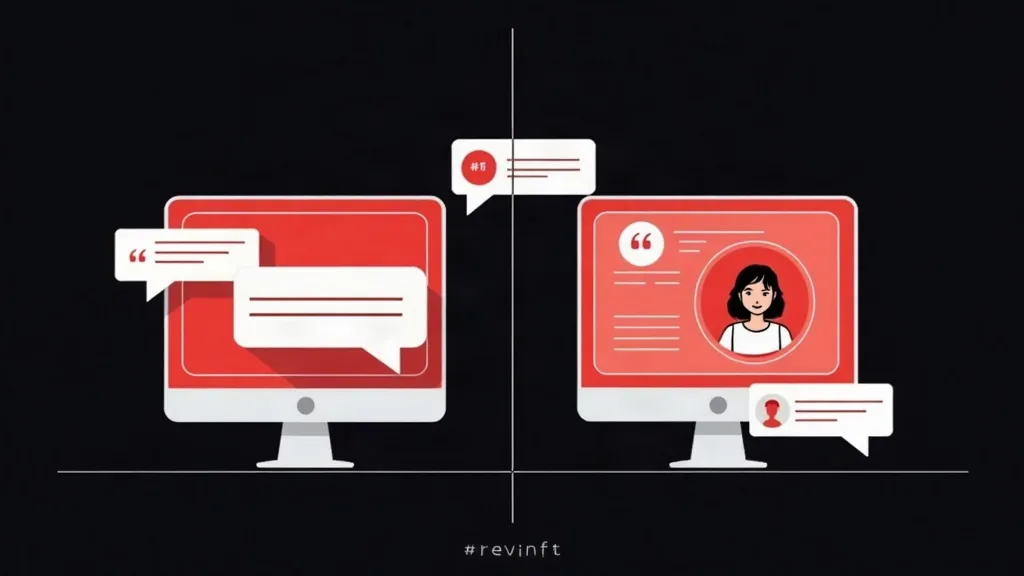
People trust the experiences of other people far more than they trust a company talking about itself. Social proof is often the single most powerful trust signal you can add, and most businesses underuse it.
Start with customer reviews and testimonials. Display real, specific quotes from named customers, ideally with a photo, company name, or location. Vague praise like "Great service!" does little, but a detailed story about how you solved a specific problem builds genuine credibility. If you have ratings from third-party platforms such as Google, Trustpilot, or industry directories, embed those too, because external validation carries more weight than testimonials hosted only on your own site.
Other forms of social proof include:
- Case studies that show measurable results you delivered for clients.
- Client logos of recognizable companies you have worked with.
- Usage numbers such as "Trusted by over 2,000 businesses" when the figures are accurate.
- User-generated content like photos of customers using your product.
Place social proof close to the moments where visitors hesitate. A testimonial next to your pricing, or a star rating near your add-to-cart button, reassures people exactly when doubt peaks.
Transparency and Clear Contact Information
Nothing erodes trust faster than a business that seems hard to reach or deliberately vague. Visitors want to know there are real people behind the website who they can contact if something goes wrong.
Make your contact details easy to find. A phone number, email address, and physical or registered business address signal that you are a real, accountable organization. If you serve customers worldwide, make clear which regions you operate in and how support works across time zones. An honest About page with photos of your team and a genuine story about who you are and why you do this work helps visitors connect with you as people rather than a faceless storefront.
Transparency also means being upfront about the things buyers worry about. Clear, accessible pages covering your pricing, shipping, returns, refund policy, and terms of service remove uncertainty. If you hide these details or bury them in fine print, visitors assume you have something to conceal. When you state your policies plainly, you demonstrate confidence and respect for the customer, both of which build trust.
Security and Credibility Badges
When visitors are asked to submit personal information or make a payment, security concerns rise sharply. Visible reassurance that their data is protected can be the difference between a completed transaction and an abandoned one.
The foundation is an SSL certificate, shown by the padlock icon and the https prefix in the browser. This is non-negotiable today, and many browsers now warn visitors away from sites without it. Beyond that, consider displaying:
- Payment security badges from recognized processors like Visa, Mastercard, PayPal, or Stripe.
- Trust seals from security providers that verify your site.
- Industry certifications, awards, or memberships relevant to your field.
- Money-back guarantees that shift the perceived risk away from the buyer.
A word of caution: use only badges you are genuinely entitled to display. Fake or expired seals, if noticed, do more damage than no seals at all. Authenticity is the entire point of a trust signal.
Professional Design and a Smooth Experience
Trust is not only about explicit badges and testimonials. It is also communicated through the overall quality and polish of your website. A clean, modern, well-organized design subconsciously tells visitors that you take your business seriously, and by extension, that you will take care of them.
Several design factors shape this impression. Fast loading times matter, because a slow site feels neglected and frustrates visitors before they ever read your offer. Mobile responsiveness is essential, since a large share of your traffic likely arrives on phones, and a broken mobile experience instantly undermines credibility. Consistent branding, including colors, fonts, and tone across every page, signals attention to detail.
Watch for small errors that quietly chip away at trust: spelling mistakes, broken links, placeholder text, low-quality images, or forms that do not work. Each of these suggests carelessness. Professional, original photography of your products, premises, or team is far more persuasive than generic stock images that visitors have seen on a hundred other sites. When everything works smoothly and looks intentional, visitors relax and focus on your offer rather than questioning your legitimacy.
Placing Trust Signals Where They Count
Having great trust signals is only half the job. Where you position them determines how much impact they have. Trust signals work best when they appear at the exact moments visitors need reassurance.
Map out the key decision points on your site. On product and service pages, place reviews and guarantees near the price and call to action. On your checkout or contact form, add security badges and a short reassurance about privacy, such as how you will use their information. On your homepage, use client logos or an aggregate rating above the fold to establish credibility immediately. Near email sign-up forms, mention that you will never share their address and show how many others have already subscribed.
Think of each trust signal as answering a specific unspoken question: "Is this safe?", "Will this work for me?", "What if I change my mind?", "Are these people real?" When you anticipate and answer those questions at the right moment, you clear the path to conversion.
Conclusion
For small and mid-sized businesses, trust is the currency that converts interest into action. You may not have the instant recognition of a global brand, but you can absolutely build a website that feels credible, transparent, and safe. Start with authentic social proof, make your contact details and policies easy to find, reassure visitors with legitimate security signals, invest in professional design, and place every one of these elements where hesitation naturally occurs.
You do not need to implement everything at once. Choose the two or three signals most likely to address your visitors' biggest doubts, add them, and watch how your conversions respond. Trust is built one reassurance at a time, and each one you add brings more of your visitors closer to becoming loyal customers.