CRO improves conversions through targeted, low-risk changes to your existing site, while a full redesign rebuilds everything for bigger long-term gains. Choose CRO when your site works but underperforms, and a redesign when it's outdated, broken, or off-brand. Often a phased combination delivers the best results.

When your website isn't generating the leads or sales you expect, two options usually surface: run a conversion rate optimization (CRO) program on what you already have, or commit to a full website redesign. Both can lift your results, but they demand very different budgets, timelines, and levels of risk. Picking the wrong one can mean months of wasted effort and a missed revenue opportunity.
This guide breaks down the real differences between CRO and a full redesign, when each strategy delivers the strongest return, and how to decide which path fits your business right now.
Understanding the Two Strategies
| Opcija | Cena | Trajnost rezultata | Kada se isplati |
|---|---|---|---|
| CRO program | 1.500-5.000 € | 6-12 meseci | Kada sajt ima 10.000+ poseta mesečno |
| Delimičan redizajn | 3.000-8.000 € | 18-24 meseca | Kada su ključne stranice zastarele |
| Potpuni redizajn | 10.000-30.000 € | 36-48 meseci | Kada je sajt stariji od 4 godine |
| Hibridni pristup | 6.000-15.000 € | 24-36 meseci | Kada treba brz rast uz dugoročnu osnovu |
Before you compare costs and outcomes, it helps to be clear on what each approach actually involves.
Conversion rate optimization (CRO) is the process of improving the percentage of visitors who take a desired action, such as filling out a form, requesting a quote, or completing a purchase. CRO works within your existing website. It relies on data, user research, and testing to make targeted improvements, such as rewriting a headline, simplifying a checkout flow, repositioning a call-to-action button, or adjusting page layouts. The underlying structure and brand stay largely intact.
A full website redesign rebuilds your site from the ground up. This often means new visual design, updated branding, a restructured site architecture, improved technical performance, and frequently a new content management system. It is a larger project that touches nearly every part of your online presence.
The simplest way to frame the difference: CRO refines what you have, while a redesign replaces it. Both aim to grow conversions, but they operate on very different scales.
When CRO Is the Smarter Choice
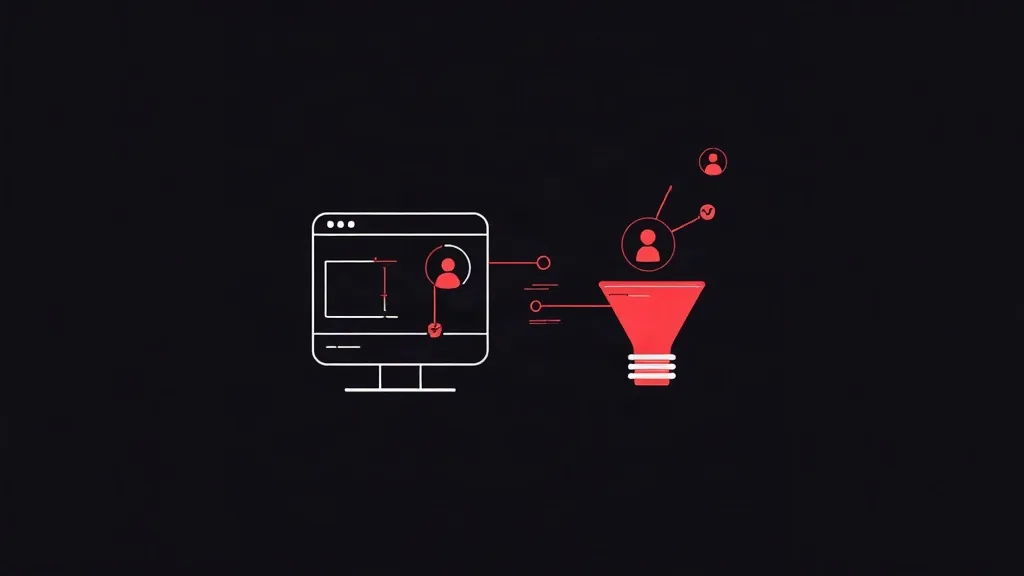
CRO is often the better starting point because it is lower risk, faster to implement, and grounded in evidence from your actual visitors. Consider prioritizing CRO when the following conditions apply.
Your site is functional but underperforming. If your website looks reasonable, loads properly, and reflects your brand, but visitors are not converting, the problem is likely in specific friction points rather than the entire design. CRO helps you find and fix those points without discarding work that already functions.
You have enough traffic to test. CRO depends on data. A/B tests and user behavior analysis need a reasonable volume of visitors to produce reliable conclusions. If your key pages attract a steady flow of traffic, you can test changes and measure their true impact before rolling them out.
You want results quickly and affordably. CRO projects can start producing measurable gains within weeks. Because you are making focused adjustments rather than rebuilding, the investment is usually a fraction of a full redesign, and you can prioritize the changes with the highest expected return first.
You need to protect what already works. A redesign carries the risk of accidentally removing elements that were quietly driving conversions. CRO is incremental and reversible, so you can isolate the effect of each change and keep anything that performs well.
For many established businesses, CRO delivers the best return per dollar precisely because it concentrates effort on the exact moments where visitors drop off.
When a Full Redesign Is Worth the Investment
There are situations where no amount of optimization will fix the core problem. In these cases, a full redesign is not just justified, it is necessary.
Your site is outdated or off-brand. If your website looks years behind competitors, fails to reflect your current positioning, or no longer matches the quality of your products and services, small tweaks will not close that gap. A redesign realigns your digital presence with who you are today.
The technical foundation is holding you back. Slow load times, poor mobile experiences, insecure code, or a content management system that is difficult to update all limit how far CRO can take you. When the underlying platform is the bottleneck, rebuilding on a modern foundation unlocks performance that optimization alone cannot reach.
The site structure confuses visitors. If your navigation is cluttered, your pages are disorganized, or users struggle to find what they need, the issue is structural. CRO can patch individual pages, but a fundamentally broken information architecture needs a complete rethink.
You are repositioning or scaling the business. Entering new markets, launching new product lines, or shifting your target audience often demands a site built around new goals. A redesign lets you design intentionally for where the business is heading rather than retrofitting an old framework.
Mobile experience is failing. With most traffic now coming from mobile devices, a site that was not built with a mobile-first approach can cap your conversions no matter how much you optimize. A redesign gives you the chance to build for mobile from the start.
A redesign is a bigger commitment, but when your foundation is the problem, it is the only strategy that removes the ceiling on your growth.
Comparing Cost, Risk, and Timeline
The decision often comes down to the practical trade-offs between the two approaches. Here is how they compare across the factors that matter most to decision-makers.
Cost. CRO typically requires a smaller, often ongoing investment focused on testing and iteration. A full redesign is a larger upfront expense that covers design, development, content, and migration. If budget is tight, CRO lets you start small and reinvest the gains.
Timeline. CRO can show results in weeks because changes are incremental. A redesign usually takes several months from discovery to launch. If you need wins quickly, CRO moves faster; if you can plan ahead, a redesign pays off over the long term.
Risk. CRO is lower risk because each change is tested and measurable, and you can roll back anything that underperforms. A redesign carries more risk, since launching a new site can temporarily disrupt rankings, traffic, or conversions if not managed carefully. Good planning and a staged rollout reduce that risk considerably.
Long-term impact. CRO delivers steady, compounding improvements but is limited by your existing foundation. A redesign resets that foundation, enabling larger gains and a stronger platform for future optimization.
The key insight is that these are not permanent trade-offs. Many businesses use CRO to earn quick wins and generate data, then apply what they learn to a future redesign so the rebuild is grounded in evidence rather than guesswork.
How to Choose the Right Path for Your Business
To decide confidently, work through a short diagnostic rather than relying on instinct.
Start by auditing your current performance. Look at your conversion rates, bounce rates, page speed, and mobile usability. Identify exactly where visitors are leaving and whether the problems are concentrated in a few pages or spread across the whole experience.
Next, ask these questions:
- Is my site technically sound, fast, and mobile-friendly, or is the platform itself the problem?
- Does my design and messaging still reflect my brand and current goals?
- Are my conversion issues isolated to specific pages, or systemic across the site?
- Do I have enough traffic to run meaningful tests?
- Is my business repositioning, scaling, or entering new markets soon?
If your answers point to a solid foundation with specific weak spots, CRO is likely your fastest, most cost-effective route. If they reveal an outdated, slow, or structurally confusing site, a full redesign will serve you better.
For many businesses, the strongest answer is a phased combination. Begin with CRO to capture quick wins and gather real user data. Use those insights to define the goals of a future redesign, so when you do rebuild, every decision is informed by what your visitors have already shown you they want. This sequence reduces risk, spreads cost over time, and ensures your new site is built to convert from day one.
Conclusion
There is no universal winner in the CRO versus full website redesign debate. CRO wins when your site is fundamentally sound but leaking conversions at specific points, offering fast, low-risk, affordable gains. A full redesign wins when your foundation is outdated, slow, off-brand, or structurally broken, removing the ceiling that optimization cannot break through.
The smartest approach is to let your data decide. Audit your site honestly, identify whether your problems are surface-level or structural, and choose accordingly. In many cases, starting with CRO and building toward a data-driven redesign gives you the best of both strategies.
If you want expert help diagnosing which path fits your business, Beeglantee can assess your site, run the numbers, and build a conversion strategy that delivers measurable growth. Reach out to start the conversation.