Freelancers offer lower cost and flexibility but limited capacity. Agencies bring broader skills, reliability, and scalability at a higher price. Choose based on your budget, project scope, timeline, and need for ongoing support.
When you need a new website or a redesign, one of the first big decisions you will face is who should build it. The two most common options are hiring an independent freelance designer or partnering with a web design agency. Both can produce excellent results, but they operate very differently, and the wrong choice can cost you time, money, and momentum.
This guide breaks down the practical differences so you can make a confident, informed decision that matches your budget, timeline, and long-term goals.
Understanding the Core Difference
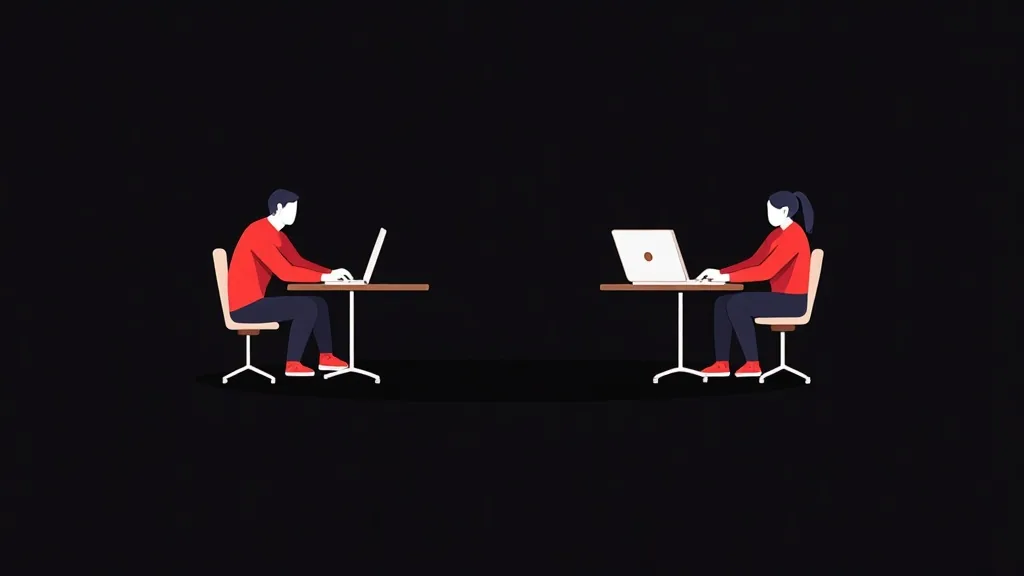
A freelance designer is a single professional who works independently, often from home or a small studio. You hire them directly, communicate with them one-on-one, and rely on their individual skill set to deliver your project.
A web design agency is a team of specialists,designers, developers, project managers, copywriters, and sometimes marketing and SEO experts,working together under one roof. When you hire an agency, you gain access to a coordinated group rather than a single person.
The fundamental trade-off comes down to this: a freelancer gives you a focused, personal, and usually more affordable experience, while an agency gives you broader capabilities, more reliability, and the capacity to handle complex or large-scale work. Neither is inherently better. The right choice depends entirely on what your project demands.
Comparing Cost and Value
Budget is often the deciding factor, so it deserves an honest look.
Freelancers typically cost less. Because they have low overhead,no office rent, no large payroll,they can offer competitive rates. For a small business with a straightforward website, a skilled freelancer may deliver exactly what you need for a fraction of an agency's price.
Agencies cost more, but the price reflects more. You are not just paying for design hours. You are paying for project management, quality assurance, multiple areas of expertise, and the assurance that work continues even if one team member is unavailable. For businesses where the website directly drives revenue, that added investment often pays for itself.
When weighing cost, avoid focusing only on the initial quote. Consider the total value: the quality of the final product, the time you will personally need to spend managing the project, and the risk of delays or gaps in skill. A cheaper option that requires constant oversight or needs to be redone later is rarely a bargain.
Evaluating Capacity and Range of Skills
A modern website is more than attractive visuals. It may require custom development, mobile optimization, e-commerce functionality, content strategy, search engine optimization, and integrations with other tools.
A talented freelancer may excel at one or two of these areas, but very few individuals master all of them. Many freelancers specialize,one may be a brilliant visual designer but rely on outside help for advanced development, while another may be a strong developer with limited design polish. If your project needs a wide range of skills, you may end up coordinating several freelancers yourself.
An agency solves this problem by bundling specialists together. If your site needs a custom booking system, a refreshed brand identity, and an SEO foundation, an agency can handle all of it under a single contract with a single point of accountability. This is a major advantage for ambitious or multi-part projects.
Ask yourself honestly: how complex is my project, and how many different skills does it truly require? The answer will point you in the right direction.
Considering Reliability and Long-Term Support
A website is not a one-time purchase. It needs updates, security patches, occasional fixes, and improvements as your business grows. How each option handles this matters.
Freelancers can offer excellent, personal support,but they are one person. If they get sick, take on other clients, travel, or simply become unavailable, your project can stall. There is also a risk of losing your point of contact entirely if they move on to a full-time role or change careers.
Agencies provide continuity. Because responsibilities are shared across a team, work rarely grinds to a halt. If your usual contact is out, someone else can step in. Most agencies also offer structured maintenance plans and clear service agreements, which gives you predictable, dependable support over the long term.
If your website is business-critical and downtime would hurt your revenue or reputation, reliability should weigh heavily in your decision.
Communication, Speed, and Flexibility
One area where freelancers often shine is communication and flexibility. You talk directly to the person doing the work, with no layers in between. This can make small adjustments faster and the overall relationship feel more personal. For quick, well-defined projects, this direct line can be a real advantage.
Agencies, by contrast, usually route communication through a project manager. This adds structure and keeps larger projects organized, but it can feel less immediate for tiny changes. However, that same structure means clear timelines, documented processes, and fewer things falling through the cracks on complex work.
Think about how you prefer to work. If you value a close, informal relationship and have a simpler project, a freelancer may suit you. If you want organized processes, defined milestones, and the ability to scale, an agency is usually the better fit.
How to Make the Final Decision
To choose confidently, run your project through a few practical questions:
- What is my budget? A tight budget with a simple site often favors a freelancer. A meaningful investment in a business-critical site favors an agency.
- How complex is the project? Single-skill needs suit freelancers. Multi-skill, large, or integrated projects suit agencies.
- What is my timeline? Firm deadlines and larger scopes benefit from an agency's team and project management. Flexible timelines can work well with a freelancer.
- How important is ongoing support? If you need dependable long-term maintenance, an agency's continuity is reassuring.
- How much time can I personally invest? If you want to hand off the project and stay lightly involved, an agency reduces your management burden.
Also look beyond the label. Vet any candidate carefully. Review portfolios, request references, and ask to speak with past clients. A great freelancer can outperform a mediocre agency, and a strong agency can outperform an overstretched freelancer. Skill, communication, and a clear scope of work matter more than the structure alone.
Conclusion
There is no universal winner in the freelance designer versus web design agency debate. A freelancer offers affordability, personal attention, and flexibility,ideal for smaller, well-defined projects with a limited budget. An agency offers a full team, broad expertise, reliability, and the capacity to handle complex, high-stakes work that must be done right.
The smartest approach is to define your project clearly first: your goals, budget, timeline, and support needs. Once you understand exactly what you require, the right choice becomes far easier to see. Match the option to the project, vet your candidates thoroughly, and you will set your website,and your business,up for success.
If you would like to discuss which approach fits your goals, our team at Beeglantee is happy to help you weigh the options and plan a website that grows with your business.