Paid ads deliver fast, predictable leads but stop when the budget stops. Organic SEO is slower but compounds into a lasting, lower-cost lead source. For most small businesses in 2026, the best ROI comes from a blended approach: use paid ads to generate immediate leads and fund your growth while SEO builds long-term traffic that reduces your cost per lead over time.
If you run a small or mid-sized business, you have almost certainly asked the same question many owners ask us: should you put your budget into paid ads or organic SEO? Both channels promise leads. Both can grow your business. But they work in very different ways, cost very different amounts, and deliver returns on very different timelines.
In 2026, the answer is less about picking a winner and more about understanding how each channel performs for your specific goals. This guide breaks down the real ROI of paid ads versus organic SEO for small business lead generation, so you can make a confident decision about where your next dollar should go.
How ROI Actually Works for Each Channel
| Opcija | Cena (mesečno) | Trajnost rezultata | Kada se isplati |
|---|---|---|---|
| Google Ads | 500-1500 € | 0 meseci nakon prestanka | 1-7 dana |
| Organic SEO | 400-1200 € | 12-24 meseca | 4-6 meseci |
| Kombinovano | 900-2500 € | 12+ meseci | 2-3 meseca |
Before comparing the two, it helps to agree on what "ROI" means for lead generation. At its simplest, return on investment is the revenue generated from a channel minus what you spent, divided by what you spent. But leads are not revenue. A lead has to convert into a paying customer, and that customer has a lifetime value. So your true ROI depends on three numbers: your cost per lead, your lead-to-customer conversion rate, and your average customer value.
Paid ads have a clear, immediate cost structure. You pay for clicks or impressions, and you can calculate your cost per lead almost in real time. The math is transparent, which is why many owners like it.
Organic SEO has a less obvious cost structure. You invest in content, technical improvements, and links upfront, and the leads arrive later, often for months or years after the work is done. This makes SEO harder to measure in the short term but far more efficient over time.
Understanding this difference is the key to reading the rest of this comparison correctly. Paid ads buy you traffic today. SEO builds an asset that keeps producing traffic tomorrow.
Paid Ads: Speed, Control, and Predictable Cost
Paid advertising, whether on search engines or social platforms, is the fastest way to generate leads. You can launch a campaign and start receiving inquiries within hours. For a small business that needs cash flow now, that speed is valuable.
The strengths of paid ads include:
- Immediate results. You do not wait months to see leads. You switch the campaign on and traffic arrives.
- Precise targeting. You can reach people by location, intent, demographics, and behavior, which reduces wasted spend.
- Predictable scaling. If a campaign is profitable, you can often increase the budget and get proportionally more leads.
- Fast testing. You can test offers, headlines, and landing pages quickly and learn what your market responds to.
The weaknesses are just as important:
- Leads stop when spending stops. The moment you pause your budget, your lead flow ends. There is no residual value.
- Rising costs. Click costs in competitive industries have climbed steadily, which squeezes margins.
- Constant management. Campaigns need ongoing attention to stay profitable, which is a hidden cost of time or agency fees.
In 2026, paid platforms lean heavily on automation and machine learning to optimize bidding and targeting. This makes campaigns easier to run but also means your results depend on feeding the system quality data and strong creative. The ROI of paid ads is strong in the short term, but it is a rented audience, not an owned one.
Organic SEO: Compounding Returns Over Time
Organic SEO is the work of earning visibility in search results without paying for each click. This includes creating helpful content, optimizing your website structure, improving page speed, and building authority. The payoff is traffic that you do not pay for every time someone clicks.
The strengths of organic SEO include:
- Compounding value. A page that ranks well can generate leads for years with little additional cost. Your cost per lead drops over time.
- Higher trust. Many users trust organic results more than ads, which can improve conversion quality.
- Lower long-term cost per lead. Once content ranks, the ongoing cost is minimal compared to paying for every click.
- A durable asset. Your rankings and content belong to you, not to an ad platform.
The weaknesses matter too:
- Slow to start. It often takes several months to see meaningful results, which is hard for businesses needing leads immediately.
- Less predictable. Search algorithms and competitors change, so results can shift.
- Upfront effort. Quality content and technical work require real investment before any return appears.
In 2026, SEO looks different from a few years ago. AI-powered search experiences and answer engines mean that ranking is no longer only about the classic list of blue links. You now need content that is genuinely useful, well-structured, and credible enough to be cited by AI summaries. The businesses winning at organic search are the ones that treat it as a long-term brand and authority play, not a quick traffic hack.
A Direct ROI Comparison
To make this practical, imagine a small business spending the same amount on each channel over 12 months.
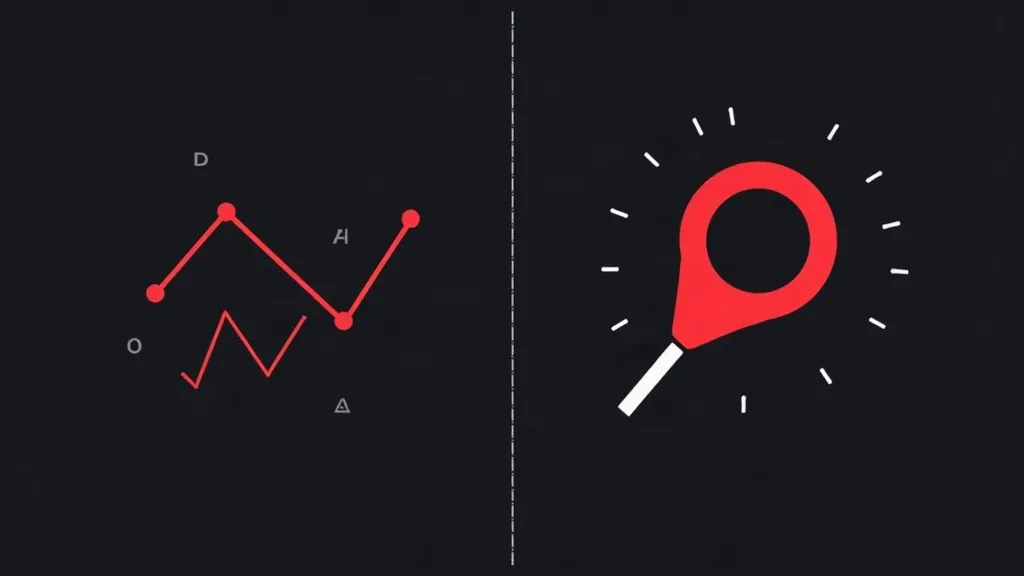
With paid ads, you might generate a steady stream of leads from month one. Your cost per lead stays roughly constant, and your return is linear: spend more, get more. At the end of the year, you have a solid record of leads and revenue, but if you stop spending, the leads stop immediately. Your ROI is real but does not accumulate beyond what you paid for.
With organic SEO, the first few months may produce few leads while content ranks and authority builds. But as pages begin to rank, your traffic grows without additional spend. By month nine or twelve, your cost per lead can be a fraction of what paid ads cost, and that advantage keeps improving in year two and beyond. The early ROI is weak; the long-term ROI is often far stronger.
Here is the practical takeaway: paid ads usually win on short-term ROI, while organic SEO usually wins on long-term ROI. The best channel depends on your time horizon, your cash position, and how patient you can afford to be.
When to Choose Each Channel
Rather than treating this as a permanent choice, match the channel to your situation.
Lean toward paid ads when you:
- Need leads quickly to maintain cash flow.
- Are launching a new product or promotion with a deadline.
- Want to test demand or messaging before committing to long-term content.
- Operate in a market where timing matters, such as seasonal services.
Lean toward organic SEO when you:
- Can wait several months for results to build.
- Want to lower your cost per lead over time.
- Sell products or services people actively search for.
- Want to build a brand asset that competitors cannot buy their way around instantly.
Most small businesses do not fit neatly into one box. That is why the smartest approach in 2026 is rarely one or the other.
The Blended Strategy That Delivers the Best ROI
The businesses that get the strongest return on their marketing budget usually run both channels together, and use each to strengthen the other.
Here is how a blended strategy works in practice. You start with paid ads to generate immediate leads and revenue. That cash flow funds your SEO investment, which takes time to mature. As your organic traffic grows, it begins to carry more of your lead generation at a lower cost per lead. You can then reduce paid spend on terms you now rank for organically, and redirect that budget toward new campaigns or more competitive keywords.
There are powerful compounding effects when the two work together. The data from your paid campaigns tells you which keywords and offers convert best, which you can then prioritize in your SEO content. Meanwhile, strong organic visibility and a trusted brand tend to improve the performance of your paid ads, because people who recognize your name are more likely to click and convert.
The result is a marketing system where paid ads provide speed and predictability while SEO provides efficiency and durability. Over time, your blended cost per lead falls, your lead flow becomes more stable, and your business is less dependent on any single platform.
Conclusion
There is no universal winner in the paid ads versus organic SEO debate. Paid ads deliver fast, controllable, predictable leads, but they stop producing the moment you stop paying. Organic SEO is slower and requires patience, but it compounds into a durable, low-cost source of leads that keeps working long after the initial investment.
For most small and mid-sized businesses in 2026, the highest ROI comes from combining them: use paid ads to generate leads now and fund your growth, while you build organic SEO into a long-term asset that steadily lowers your cost per lead. Match your spend to your cash flow and your time horizon, measure both channels against real revenue rather than just lead counts, and adjust the balance as your organic presence matures.
If you want help designing a lead generation strategy that balances short-term results with long-term returns, our team can build a plan tailored to your market, your budget, and your goals.