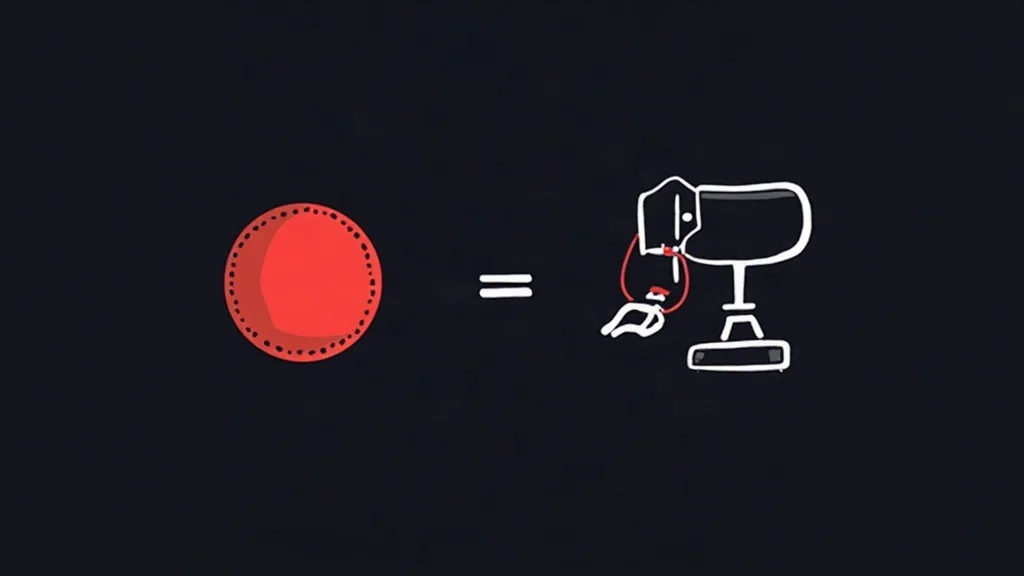
A professional website costs far more than the initial build. Annual total cost of ownership for SMBs includes hosting, domains, security, maintenance, content, SEO, and software. Expect anywhere from a few hundred to several thousand per year depending on scope. Budgeting for ongoing costs prevents a neglected, underperforming site.

When you plan a new website, the first question is usually "how much does it cost to build?" But the build is only the beginning. The smarter question for any business owner is: what does a professional website cost to own and run each year?
Many small and mid-sized businesses underestimate this. They pay for a sleek new site, then watch it slowly decay because no one budgeted for upkeep. Outdated plugins, broken forms, slow load times, and stale content quietly erode the return on that original investment.
This guide breaks down the real total cost of ownership (TCO) of a professional website, so you can budget accurately and treat your website as the revenue-generating asset it should be.
Why Total Cost of Ownership Matters More Than the Build Price
The sticker price of a website build is a one-time number. Total cost of ownership is the full picture of what you spend over the life of the site, typically measured per year.
Think of it like buying a vehicle. The purchase price is one thing; fuel, insurance, servicing, and repairs are what keep it running. A website is no different. Skip the ongoing investment and you end up with a digital storefront that looks dated, performs poorly, and quietly turns visitors away.
Budgeting for TCO upfront gives you three advantages:
- Predictable cash flow. No surprise bills when something breaks.
- Better decisions. You can compare a cheap build with high running costs against a quality build that is cheaper to maintain.
- Protected ROI. A maintained site keeps converting; a neglected one stops.
The Core Annual Costs Every SMB Website Carries
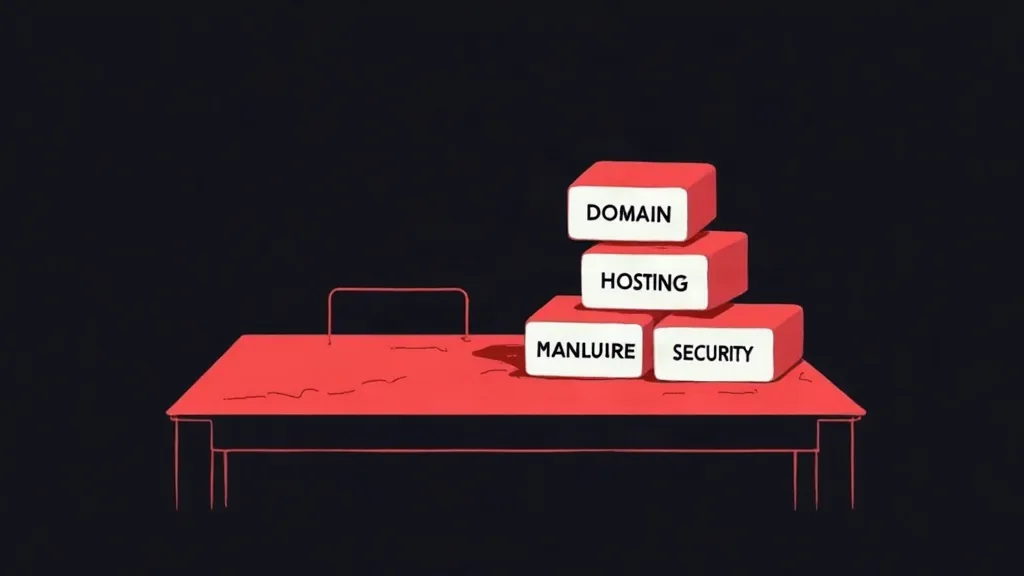
Every professional website, regardless of industry, shares a set of recurring costs. These are the non-negotiables.
Domain name
Your domain is the address customers type to find you. It is inexpensive but essential, usually ranging from around 10 to 50 per year depending on the extension. Premium or specialty domains cost more. Always keep this on auto-renew, as losing a domain can be costly and disruptive.
Hosting
Hosting is where your website lives. Options range widely:
- Shared hosting: budget-friendly, suitable for small brochure sites.
- Managed hosting: faster, more secure, and hands-off, ideal for most SMBs.
- Cloud or dedicated hosting: for high-traffic or e-commerce sites with heavy demands.
Expect anywhere from 60 to several hundred per year. Cheap hosting often costs more in slow speeds and downtime, so weigh performance against price.
SSL certificate and security
An SSL certificate (the padlock in the browser) is standard and often included with hosting, but advanced security such as firewalls, malware scanning, and backups may carry additional fees. For any site handling customer data or payments, this is money well spent.
Platform and software licenses
If your site runs on a content management system with premium themes, plugins, or page builders, those often carry annual license fees. Each one is small, but together they add up quickly, so keep a running list.
Ongoing Services That Keep Your Site Performing
Beyond the technical essentials, a professional website needs attention to stay effective. This is where many businesses cut corners and later pay the price.
Maintenance and updates
Software updates, security patches, broken-link fixes, and compatibility checks are ongoing work. You can handle this in-house if you have the skills, or pay a retainer to an agency or freelancer. A maintenance plan typically runs from a few hundred to a couple of thousand per year, depending on the size and complexity of your site.
Skipping maintenance is the single most common reason websites fail. An unpatched site is a target for hackers, and a single breach can cost far more than years of preventive upkeep.
Content updates
Search engines and customers both reward fresh, relevant content. Whether it is blog posts, product updates, new service pages, or seasonal campaigns, content creation is a recurring investment. You can write in-house or outsource, but either way, factor it in. A website that never changes signals a business that has stood still.
SEO and marketing
Ranking well and attracting visitors is an ongoing effort, not a one-time setup. Budget for technical SEO, keyword optimization, and potentially paid advertising. Even a modest, consistent SEO investment compounds over time and often delivers the highest return of any website expense.
Analytics and tools
Tracking performance may involve paid tools for analytics, heatmaps, email marketing, CRM integration, or booking systems. These subscriptions improve conversions and give you the data to make smart decisions, but they are recurring line items you should plan for.
Realistic Annual Cost Ranges by Business Type
To make this concrete, here is roughly what SMBs can expect to spend per year, assuming a professionally built and maintained site. These are indicative ranges, not quotes.
Simple brochure site (small local business)
A handful of pages, basic contact forms, and light updates:
- Domain and hosting: 100 to 300
- Maintenance and security: 300 to 800
- Content and minor updates: 200 to 600
- Estimated annual total: 600 to 1,700
Growth-focused business site with active marketing
More pages, regular blogging, lead generation, and SEO:
- Hosting and domain: 200 to 600
- Maintenance and security: 600 to 1,800
- Content creation: 1,000 to 3,000
- SEO and marketing tools: 1,000 to 5,000
- Estimated annual total: 2,800 to 10,400
E-commerce store
Product catalogs, payment processing, inventory, and higher traffic:
- Hosting and platform fees: 500 to 2,000
- Transaction and payment fees: variable, often a percentage of sales
- Maintenance and security: 1,000 to 3,000
- Content, SEO, and ads: 2,000 to 10,000+
- Estimated annual total: 3,500 to 15,000+
Your actual figures depend on scale, ambition, and how much you do in-house versus outsource. The key takeaway is that ongoing costs frequently match or exceed the original build price over just a few years.
How to Control and Optimize Your Website TCO
Understanding the costs is step one. Keeping them efficient is step two. Here is how to get the most value for every pound, dollar, or euro you invest.
Invest well upfront. A cheap, poorly built site often costs more to maintain and fix. A quality build on a stable platform reduces long-term headaches and recurring repairs.
Bundle services strategically. Working with a single agency for design, maintenance, and marketing can be more efficient than juggling multiple vendors, and it ensures everyone is working toward the same goals.
Audit your subscriptions. Review your plugins, tools, and licenses annually. Cancel anything you no longer use. Small recurring charges have a way of accumulating unnoticed.
Prioritize by return. Not every expense delivers equal value. Maintenance and SEO protect and grow revenue, so fund those first. Nice-to-have features can wait.
Plan for growth. Choose hosting and platforms that scale with you. Migrating a website because you outgrew a cheap plan is disruptive and expensive.
Measure what matters. Use analytics to confirm your spending produces results. If a tool or campaign is not moving the needle, reallocate that budget to what works.
Conclusion: Treat Your Website as an Investment, Not an Expense
The real cost of a professional website is not the one-time build, it is the total cost of ownership measured year after year. For most SMBs, that includes domain, hosting, security, maintenance, content, SEO, and the tools that tie it all together.
When you budget for these upfront, your website stays fast, secure, and competitive, and it keeps generating leads and sales rather than slowly fading into the background. When you ignore them, you end up paying anyway, usually in lost customers and emergency fixes.
The businesses that win online are the ones that treat their website as a living asset with a running budget, not a project they finish and forget. Map out your annual costs, invest where it counts, and your website will repay that investment many times over.
If you want help estimating a realistic annual budget for your specific goals, or building a site designed to be efficient to own and maintain, our team is ready to guide you through it.