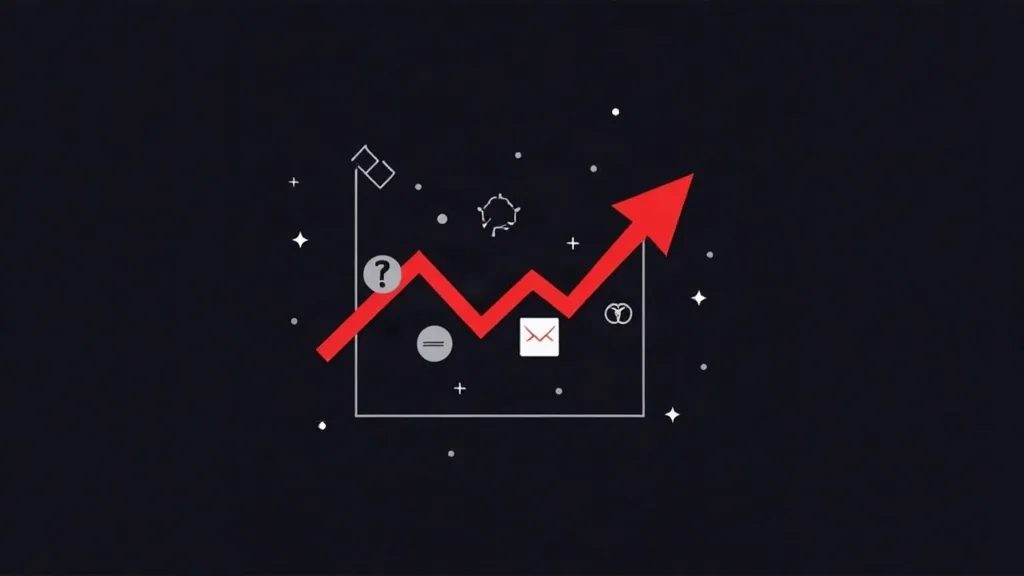
SEO delivers compounding, long-term ROI but takes months to build. Google Ads offers immediate traffic and precise targeting at an ongoing cost. Most SMBs get the best return by combining both: use Ads for quick wins and SEO for sustainable growth.

SEO vs Google Ads: Which Brings Better ROI for SMBs?
Every marketing dollar counts when you run a small or mid-sized business. So when it comes to getting found on Google, you face a familiar question: should you invest in search engine optimization (SEO) or pay for Google Ads? Both put your business in front of people who are actively searching for what you offer. But they work in very different ways, cost different amounts, and pay off on very different timelines.
The honest answer is that neither channel is universally "better." The right choice depends on your budget, your goals, your industry, and how quickly you need results. This guide breaks down how each option affects your return on investment (ROI) so you can make a confident, informed decision for your business.
Understanding How Each Channel Works
Before comparing returns, it helps to understand the fundamental difference between these two approaches.
SEO is the practice of improving your website so it ranks higher in the unpaid, organic search results. This involves creating helpful content, optimizing your pages for relevant keywords, earning links from other reputable sites, and making sure your website loads quickly and works well on mobile. You do not pay Google for organic rankings, but you invest time, effort, and often the cost of specialists or content creation.
Google Ads is a pay-per-click (PPC) advertising platform. You bid on keywords, write ads, and pay a fee each time someone clicks your ad. Your listings appear at the top of the search results, marked as "Sponsored." The moment you turn on a campaign, you can start receiving traffic. The moment you turn it off, that traffic stops.
Think of it this way: SEO is like buying a property, while Google Ads is like renting one. Ownership takes longer to build and requires upkeep, but it becomes an asset. Renting gets you in the door immediately, but you keep paying for as long as you want to stay.
Comparing the True Cost of Each
ROI is a ratio of return to cost, so understanding cost is essential.
The cost of Google Ads
With Google Ads, your spending is direct and ongoing. Costs per click vary widely by industry. In highly competitive fields such as legal services, insurance, or home improvement, a single click can cost several dollars or more. In less competitive niches, clicks may cost far less. Your total spend depends on your daily budget, keyword competition, and how well your campaigns are optimized.
The advantage is predictability and control. You can set a budget, measure exactly what you spend, and see precisely how many clicks and conversions that spend produced. The disadvantage is that the cost never ends. Stop paying, and your visibility disappears immediately.
The cost of SEO
SEO costs are more front-loaded. You invest in content creation, technical improvements, and link building. Whether you hire an agency, build an in-house team, or do the work yourself, the early months require effort before you see meaningful traffic.
However, once you rank well, the ongoing cost of maintaining those positions is typically lower than continuously paying for ads. A well-written article that ranks on page one can attract visitors for months or even years without additional spending. That is why SEO ROI tends to compound over time.
Speed vs Longevity: The Core Trade-Off
The single biggest difference between these two channels is timing.
Google Ads delivers results instantly. If you launch a business next week and need customers immediately, Ads can put you in front of buyers within hours. This makes it ideal for new businesses, seasonal promotions, product launches, or testing whether there is demand for a new offer.
SEO delivers results slowly but sustainably. It commonly takes three to six months, sometimes longer, before you see significant organic traffic gains. But once momentum builds, the return keeps growing without a matching increase in cost. Organic search results also tend to earn more clicks than paid results for many types of queries, because some users skip ads entirely and trust organic listings more.
Here is a practical way to picture it: if you plotted returns over time, Google Ads would show a steep line that stays flat as long as you keep spending. SEO would start slow, then climb steadily, eventually surpassing the ROI of Ads once your upfront investment is repaid.
Which Delivers Better ROI in Practice?
The answer depends on your situation. Consider these common scenarios.
When Google Ads wins
- You need customers now. A cash-flow crunch or a time-sensitive promotion favors the immediacy of Ads.
- You operate in a low-competition, high-value niche. If clicks are affordable and each customer is worth a lot, Ads can be extremely profitable.
- You want to test a market. Before investing months in SEO content, you can use Ads to validate which keywords and offers actually convert.
- You have a strong landing page and clear conversion path. Ads work best when the page you send visitors to is built to turn clicks into leads or sales.
When SEO wins
- You are building for the long term. If you plan to be in business for years, the compounding return of organic traffic is hard to beat.
- Your customers research before buying. Blog content and informative pages capture people early in their decision process, building trust before they are ready to purchase.
- You want to reduce dependence on ad spend. Every organic visitor is one you did not have to pay for click by click.
- Your industry has expensive clicks. In competitive fields, ranking organically can save enormous amounts compared to bidding on every keyword.
The math behind the decision
A useful way to compare is to calculate your customer acquisition cost through each channel. Track how many leads or sales each brings and divide by the total spend. Over a short window, Ads often look more efficient because SEO is still in its investment phase. Over a longer window of a year or more, SEO frequently produces a lower cost per acquisition because the traffic keeps arriving without new spending.
Why Most SMBs Should Use Both
Framing this as an either-or decision usually costs you money. The smartest approach for most small and mid-sized businesses is to combine the two channels so they reinforce each other.
Start with Google Ads to generate immediate revenue and gather data. The keywords and ad copy that convert best reveal exactly what your audience wants. Use those insights to guide your SEO content strategy, so you are optimizing for terms you already know drive sales.
Meanwhile, invest in SEO to build a durable foundation. As your organic rankings improve, you can gradually reduce your ad spend on keywords you now rank for organically, freeing budget for new opportunities. This transition steadily lowers your overall cost per customer.
The two channels also boost each other. Appearing in both paid and organic results for the same search increases your visibility and credibility. Ads deliver quick data and short-term revenue; SEO delivers long-term assets and lower costs. Together they create a balanced, resilient marketing engine that is not overly dependent on any single source of traffic.
Making the Right Call for Your Business
To decide where to focus first, ask yourself a few honest questions:
- How urgently do you need new customers? If the answer is "immediately," start with Ads.
- How much can you invest without expecting a return for a few months? If you have that runway, prioritize SEO for stronger long-term ROI.
- How competitive and expensive are your keywords? High costs strengthen the case for building organic rankings.
- Do you have the content and technical resources to sustain an SEO effort? If not, budget for expert help or begin with Ads while you build capacity.
Whatever you choose, measure everything. Track conversions, not just clicks. Know your true cost per customer for each channel and revisit those numbers regularly. The winning strategy is rarely fixed; it shifts as your rankings improve, your budget grows, and market conditions change.
Conclusion
SEO and Google Ads are not rivals so much as partners with different strengths. Google Ads gives you speed, control, and immediate results at a continuous cost. SEO gives you compounding, long-term ROI that lowers your cost per customer over time, but it requires patience and upfront investment.
For most small and mid-sized businesses, the highest return comes from using Ads to win now and SEO to win later, then letting the data from each inform the other. If you want help building a search strategy that balances quick wins with sustainable growth, Beeglantee can create a plan tailored to your goals, budget, and market so every marketing dollar works harder for you.