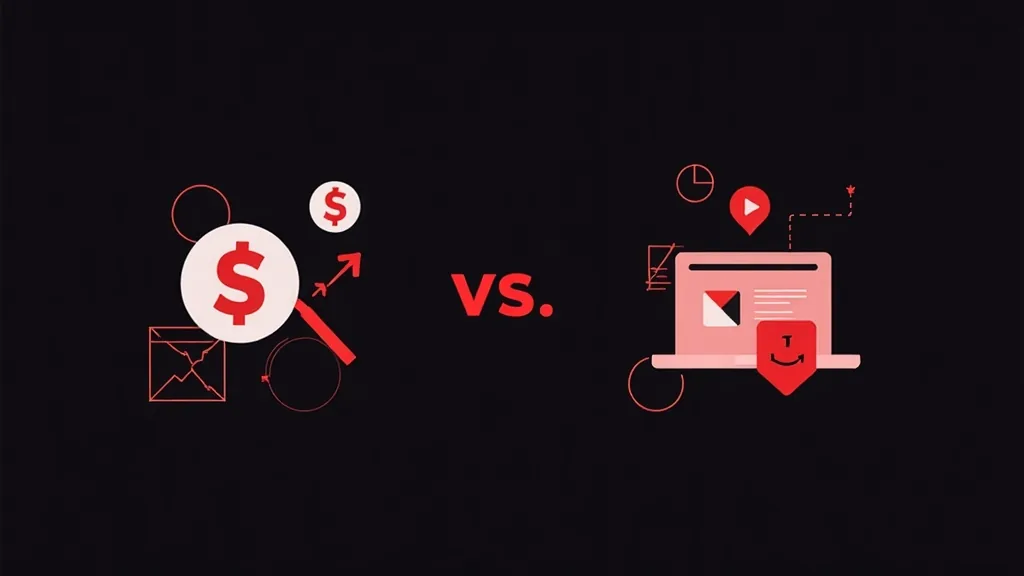
DIY builders have low upfront costs but hidden expenses in time, add-ons, and lost conversions. Agencies cost more initially but deliver strategy, custom design, and long-term ROI. Choose DIY for simple sites and tight budgets; choose an agency when your website drives revenue.
When you set out to build a website for your business, you face a fundamental choice: use a do-it-yourself website builder or hire a professional agency. On the surface, this looks like a simple budget decision. DIY platforms advertise plans for a few dollars a month, while agencies quote thousands. Case closed, right?
Not quite. The advertised price rarely reflects the true cost of getting a website that actually performs. Hidden expenses, opportunity costs, and long-term value all shift the math in ways that are easy to overlook. This guide breaks down the real numbers so you can make a decision that fits your business, not just your monthly software bill.
The Sticker Price vs. the Total Cost
DIY website builders like the popular drag-and-drop platforms typically charge between $15 and $50 per month for business plans. That works out to roughly $180 to $600 per year. Compared to an agency project that might start at $3,000 and climb well past $15,000, the DIY route seems like an obvious win.
But the sticker price only covers the software subscription. It does not account for your time, the add-ons you will inevitably need, or the revenue you may lose from an underperforming site. To compare fairly, you need to look at the total cost of ownership over two to three years, including both hard costs and soft costs.
Here is the reality: a $30-per-month builder can quietly turn into a $2,000-per-year commitment once you add premium templates, e-commerce features, email tools, stock images, and third-party plugins. Meanwhile, an agency's one-time fee often includes strategy, custom design, and functionality that would cost extra everywhere else.
The Hidden Costs of the DIY Route
The biggest expense in a DIY project is almost never listed on the pricing page: your time. Building a professional-looking website is deceptively difficult. Expect to spend anywhere from 40 to 100 hours learning the platform, writing content, sourcing images, configuring settings, and troubleshooting.
If your time is worth $50 an hour, a 60-hour build represents $3,000 in opportunity cost, time you could have spent selling, serving customers, or running your business. Suddenly the "cheap" option looks a lot more expensive.
Other hidden DIY costs add up quickly:
- Premium features: Advanced e-commerce, appointment booking, and marketing integrations often live behind higher-tier plans or paid apps.
- Design limitations: Templates constrain your layout. To stand out, you may pay for premium themes or custom code that the platform barely supports.
- SEO gaps: Many builders produce bloated code and slow load times, which can hurt your search rankings and cost you traffic.
- Ongoing maintenance: Updates, security, and content changes remain your responsibility indefinitely.
There is also the cost of a poor first impression. Studies consistently show that visitors judge a business's credibility within seconds based on website design. A site that looks templated or loads slowly can quietly drive away leads you never even knew you lost.
What You Actually Pay For with an Agency
When you hire a professional agency, you are not just paying for pixels on a screen. You are paying for expertise, strategy, and a website engineered to achieve business goals. The value shows up in several ways that DIY tools cannot match.
Strategy first. A good agency starts by understanding your audience, competitors, and conversion goals. The site is designed to turn visitors into customers, not just to look nice.
Custom design and branding. Instead of a template thousands of others use, you get a design tailored to your brand identity. This consistency builds trust and recognition.
Technical performance. Agencies build for speed, mobile responsiveness, security, and search engine optimization from the ground up, giving you a stronger foundation for growth.
Time saved. You hand off the entire process. That frees you to focus on running your business while professionals handle the heavy lifting.
Scalability and support. A well-built site can grow with your business, and many agencies offer ongoing support so you are never stuck when something breaks.
The upfront investment is higher, but you are buying an asset designed to generate returns rather than a subscription you manage yourself.
A Realistic Two-Year Cost Comparison
Let's put numbers to it. Imagine a small business that needs a professional website with a few service pages, a blog, a contact form, and basic e-commerce.
DIY Website Builder (over two years):
- Business plan subscription: ~$40/month = $960
- Premium theme and apps: ~$400
- Stock photos and content tools: ~$300
- Your time (60 hours build + 40 hours maintenance at $50/hr): $5,000
- Estimated total: ~$6,660
Professional Agency (over two years):
- Custom website design and build: $6,000 (one-time)
- Hosting and maintenance: ~$100/month = $2,400
- Your time: minimal (a few hours of input)
- Estimated total: ~$8,400
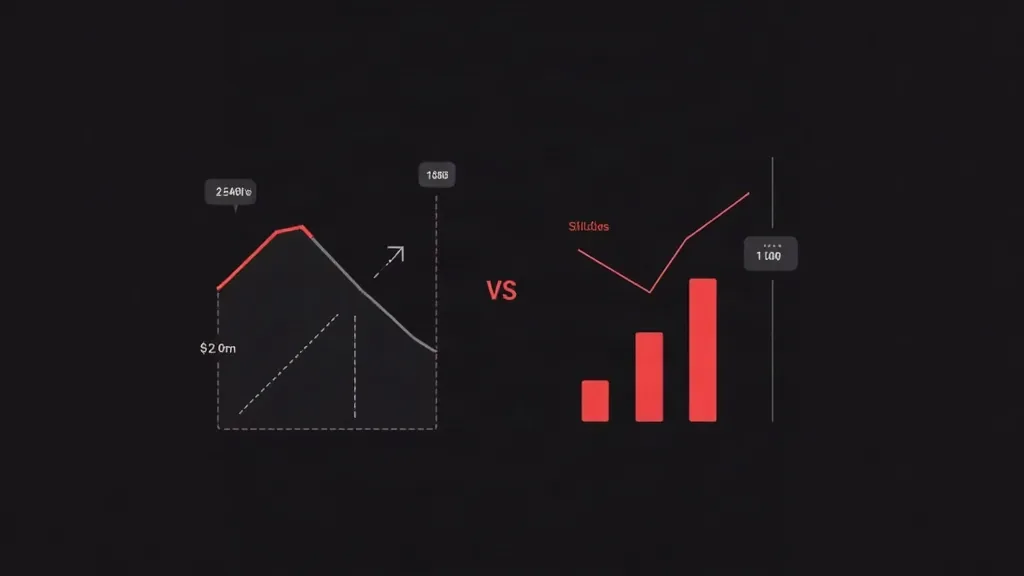
On paper, the agency costs about $1,740 more over two years. But this comparison ignores the revenue side. If the professionally built, conversion-optimized site generates even a handful of additional leads or sales each month, it pays for the difference many times over. A single new client worth $2,000 can erase the gap entirely.
The DIY figure also assumes your time has value that could be spent elsewhere. If you genuinely have spare hours and enjoy the work, that $5,000 opportunity cost shrinks, and DIY becomes far more competitive.
How to Choose the Right Option for Your Business
There is no universally correct answer, only the right answer for your situation. Use these questions to guide your decision.
Choose a DIY website builder if:
- Your budget is genuinely tight and every dollar counts right now.
- You need a simple online presence, such as a basic brochure site.
- You have the time and interest to learn and maintain the platform.
- Your website is not a primary driver of revenue.
Choose a professional agency if:
- Your website is central to generating leads, bookings, or sales.
- You value your time and want to stay focused on your core business.
- You need custom functionality, strong SEO, or a distinctive brand.
- You want a scalable asset that grows with you and reduces long-term risk.
A useful rule of thumb: the more your business depends on your website to make money, the more sense it makes to invest in professional help. For a hobby project or side venture, DIY is often perfectly adequate. For a company where the website is a sales engine, cutting corners can cost you far more than you save.
There is also a middle path worth considering. Some businesses start with a DIY builder to validate their idea, then move to an agency once they have proven demand and can justify the investment. Others hire an agency for the initial build and strategy, then take over day-to-day content updates themselves. Flexibility is your friend here.
Conclusion: The True Cost Is About Value, Not Price
The DIY versus agency debate is rarely settled by the number on the pricing page. When you account for your time, hidden add-ons, performance gaps, and the revenue a well-built site can generate, the cheapest option upfront is often the most expensive in the long run.
DIY website builders excel for simple needs, tight budgets, and business owners who have time to invest. Agencies deliver their value when your website is a serious business asset that needs to attract, convince, and convert customers around the clock.
Before you decide, calculate your own two-year total cost of ownership and honestly assess what your website needs to accomplish. When you frame the choice around value and return rather than price alone, the right path for your business becomes much clearer.
If you want a website engineered to drive real results, our team at Beeglantee helps small and mid-sized businesses worldwide turn their websites into growth engines. Reach out for a straightforward conversation about what makes sense for your goals and budget.