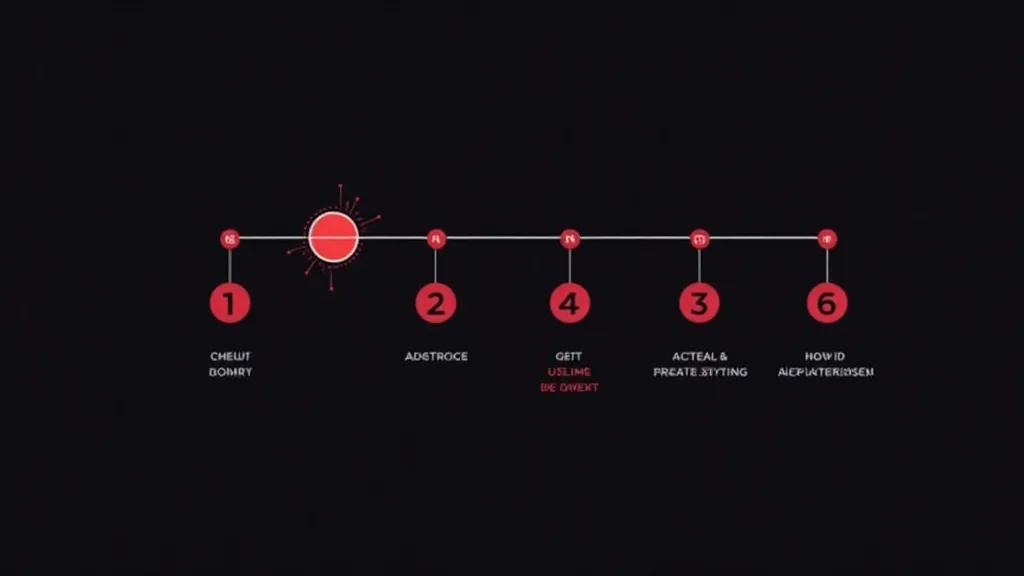
A successful website redesign follows a structured timeline: discovery, strategy, design, development, testing, and launch. Most projects take 8-16 weeks depending on scope. Set clear milestones, assign owners, plan for content and SEO migration, and build in buffer time to avoid delays and protect your search rankings.
A website redesign is more than a fresh coat of paint. Done well, it can lift your conversion rates, strengthen your brand, and give your team a platform that is easier to manage. Done poorly, it can drain your budget, drag on for months, and even damage your search rankings.
The difference almost always comes down to planning. If you approach a redesign with a clear timeline and a structured implementation plan, you keep everyone aligned, spot risks early, and launch with confidence. This guide walks you through each phase, realistic timeframes, and the decisions that keep your project moving.
Why a Structured Plan Matters
Many redesigns stall because expectations are never written down. A stakeholder assumes the site will be ready in a month, the design team assumes content will arrive on time, and the developer discovers late that a key integration was never scoped. These gaps cost time and money.
A well-defined plan gives you three things:
- Predictability. Everyone knows what happens next and who is responsible.
- Accountability. Milestones make it easy to see whether the project is on track.
- Protection. A structured approach safeguards your traffic, rankings, and existing customers during the transition.
Before any design work begins, agree on your primary goals. Are you redesigning to increase leads, modernize your brand, improve mobile performance, or make content updates easier? Your goals shape every decision that follows, so write them down and share them with the whole team.
Phase 1: Discovery and Strategy (Weeks 1-2)
The first phase is about understanding where you are and where you want to go. Skipping it is the most common reason redesigns miss the mark.
During discovery, you should:
- Audit your current site. Review analytics to find your top-performing pages, traffic sources, and conversion paths. These are the pages you cannot afford to break.
- Gather stakeholder input. Interview the people who rely on the site: sales, support, marketing, and leadership. Each will surface needs you might overlook.
- Research your audience and competitors. Understand what your customers expect and how your competitors position themselves online.
- Define success metrics. Decide how you will measure the redesign, whether that is more inquiries, a lower bounce rate, or faster load times.
By the end of this phase, you should have a documented strategy, a sitemap, and a clear scope. This is also the moment to lock your budget and confirm which features are essential versus nice to have. Roughly one to two weeks is realistic for a small or mid-sized business.
Phase 2: Content and Information Architecture (Weeks 2-4)
Content is where most redesign timelines quietly slip. Design and development can move quickly, but writing, editing, and approving copy always takes longer than expected.
Start your content work early and run it in parallel with design. Key tasks include:
- Mapping your information architecture. Organize pages into a logical structure so visitors can find what they need in as few clicks as possible.
- Auditing existing content. Decide what to keep, rewrite, merge, or retire. Outdated pages add clutter and dilute your SEO.
- Creating new copy. Assign clear owners and deadlines for each page. If your team lacks capacity, budget for a professional copywriter.
- Preparing assets. Collect logos, images, product photos, and any videos in the correct formats.
Treat content as a project of its own, with its own deadlines. A frequent mistake is designing beautiful page templates and then discovering there is no copy to fill them. Give this work the two to three weeks it usually needs.
Phase 3: Design (Weeks 4-7)
With strategy and content direction in place, the design phase brings your new site to life visually. This typically moves through several stages.
First come wireframes, which are simple layouts that focus on structure and hierarchy without color or imagery. They let you agree on how each page functions before investing in polished visuals.
Next are high-fidelity mockups that apply your branding, typography, colors, and imagery. This is where you decide how the finished pages will look on both desktop and mobile.
Build a clear feedback loop into this phase. Set specific review points, consolidate comments from all stakeholders into a single document, and limit the number of revision rounds to avoid endless tweaking. Two or three structured rounds of feedback are usually enough.
Design commonly takes three to four weeks. Complex sites with many unique page types will sit at the higher end of that range.
Phase 4: Development (Weeks 7-12)
Development turns approved designs into a working website. The timeline here depends heavily on complexity, your chosen platform, and any custom functionality.
During this phase your development team will:
- Build responsive templates that work across screens and devices.
- Integrate your content management system so your team can update pages without technical help.
- Connect third-party tools such as your CRM, email marketing platform, payment gateway, or booking system.
- Optimize for performance by compressing images, minimizing code, and configuring caching.
Communication matters most in this phase. Weekly check-ins keep everyone informed and catch problems while they are still cheap to fix. For a straightforward site, development might take three to four weeks; for feature-rich or e-commerce projects, plan for six weeks or more.
Phase 5: Testing, SEO Migration, and Launch (Weeks 12-14)
The final stretch is where careful planning protects everything you have built. Rushing to launch without proper testing is how sites go live with broken links, missing content, or lost rankings.
Quality assurance should cover:
- Cross-browser and cross-device testing
- Every form, button, and interactive element
- Page speed on mobile and desktop
- Accessibility standards
SEO migration is critical and often forgotten. To protect your rankings, be sure to:
- Map old URLs to new ones and set up 301 redirects for any pages that change addresses.
- Preserve or improve title tags, meta descriptions, and header structure on important pages.
- Update your XML sitemap and submit it to search engines after launch.
- Keep your top-performing content intact or improved rather than removing it.
When everything passes, schedule the launch during a low-traffic period so any last-minute issues affect the fewest visitors. Immediately after going live, monitor analytics, watch for crawl errors, and keep the old site accessible internally in case you need to reference it. Reserve one to two weeks for this phase.
Building in Buffer Time
Even the best plan meets surprises. A stakeholder is on vacation when approval is needed, content arrives late, or a technical integration proves trickier than expected.
The fix is simple: add buffer time. As a rule, build an extra 15 to 20 percent into your overall schedule. If your core work adds up to ten weeks, plan for twelve. This flexibility keeps a single delay from cascading through the entire project and forcing a rushed launch.
It also helps to separate must-have features from enhancements you can add after launch. A leaner initial launch gets your improved site live sooner, and you can roll out extra features in later phases without holding up the whole project.
A Sample Timeline at a Glance
For a typical small or mid-sized business site, a realistic schedule looks like this:
- Weeks 1-2: Discovery and strategy
- Weeks 2-4: Content and information architecture
- Weeks 4-7: Design
- Weeks 7-12: Development
- Weeks 12-14: Testing, SEO migration, and launch
That puts most projects in the 8-to-14-week range, with larger or more complex sites stretching to 16 weeks or beyond. Adjust these numbers based on your scope, but keep the sequence and the milestones.
Conclusion
A website redesign is a significant investment, and the outcome depends far more on planning than on any single design choice. When you break the work into clear phases, assign owners, set realistic timeframes, and protect your SEO during the transition, you turn a risky project into a predictable one.
Start by defining your goals and auditing what you have today. Build your timeline backward from a target launch date, add buffer time, and hold regular check-ins to stay on track. With a solid implementation plan in place, your new website will not only look better but also perform better for years to come.
If you would like a partner to plan and execute your redesign from strategy through launch, Beeglantee helps businesses worldwide deliver websites on time and on budget. Reach out to discuss your project and get a tailored timeline for your goals.