Conversion optimization helps small businesses get more customers from the traffic they already have. Focus on clear value propositions, fast load times, simple forms, strong calls to action, trust signals, and continuous testing. Start with your highest-impact pages and measure everything.

You have invested time and money into your website. Visitors are arriving, but too few of them are becoming customers. If that sounds familiar, you do not necessarily need more traffic. You need to convert more of the traffic you already have. That is exactly what website conversion optimization is about.
For small businesses, conversion optimization (often called CRO) is one of the most cost-effective ways to grow. Instead of paying more for advertising, you make small, deliberate improvements to your website so that a higher percentage of visitors take the action you want, whether that is buying a product, booking a call, or filling out a form. In this guide, you will learn practical strategies you can apply without a large team or a big budget.
What Conversion Optimization Really Means for Your Business
A conversion is any meaningful action a visitor takes on your website. It might be a purchase, a newsletter signup, a quote request, a phone call, or a downloaded resource. Your conversion rate is the percentage of visitors who complete that action.
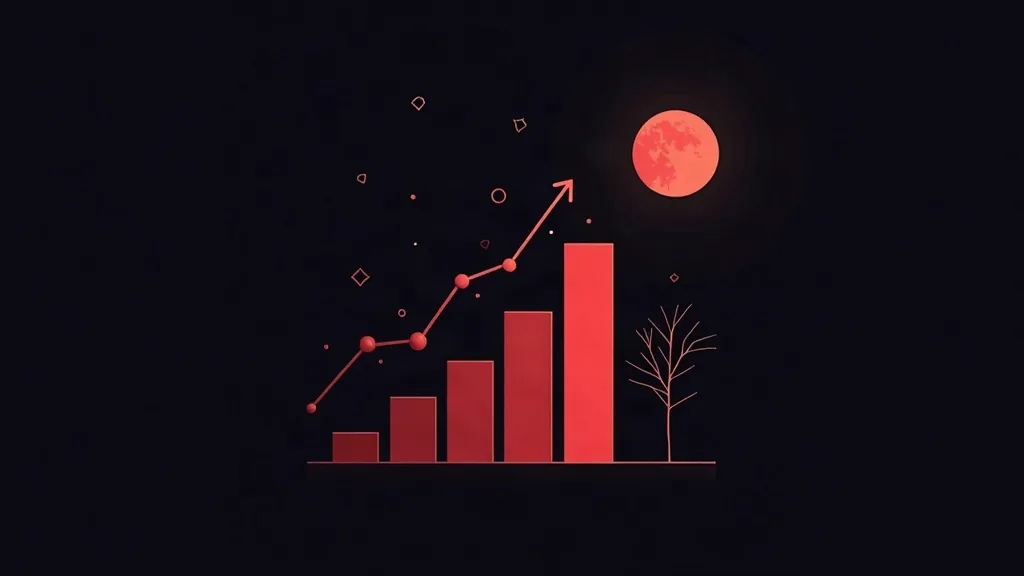
Here is why this matters so much. Imagine your website receives 1,000 visitors a month and converts 1% of them, giving you 10 customers. If you double your conversion rate to 2% through better design and messaging, you now get 20 customers from the same traffic. You have effectively doubled your results without spending a single extra dollar on marketing.
For small businesses, this leverage is powerful. Every improvement you make compounds over time, and unlike paid ads, the benefits do not disappear the moment you stop spending. Conversion optimization builds a stronger foundation that makes all your other marketing more profitable.
Start With a Clear, Compelling Value Proposition
When someone lands on your website, they decide within seconds whether to stay or leave. During those seconds, they are asking three questions: What do you offer? How does it help me? Why should I choose you over someone else?
Your homepage and key landing pages need to answer these questions immediately. A common mistake small businesses make is leading with vague slogans or internal jargon. Instead, be specific and benefit-focused.
Compare these two headlines:
- "Innovative Solutions for Modern Businesses"
- "Bookkeeping for Small Businesses, Done in Half the Time"
The second one tells the visitor exactly what you do and what they gain. Your value proposition should be visible without scrolling, written in plain language, and supported by a clear subheadline that explains the details.
To sharpen yours, describe your offer to a friend who knows nothing about your industry. The words you naturally use are often clearer and more persuasive than the polished marketing language you might default to.
Remove Friction From the Customer Journey
Every obstacle between a visitor and their goal costs you conversions. Your job is to make taking action as effortless as possible. Here are the most common sources of friction and how to reduce them.
Slow loading pages. If your website takes more than three seconds to load, a large share of visitors leave before they even see your content. Compress images, choose reliable hosting, and remove unnecessary scripts and plugins. Speed is not a technical detail. It directly affects revenue.
Confusing navigation. Visitors should always know where they are and where to go next. Keep your menu simple, use descriptive labels, and make sure your most important pages are easy to reach. If people cannot find what they need, they will not buy.
Long or complicated forms. Every extra field reduces the number of people who complete a form. Ask only for what you truly need at this stage. A contact form with three fields will almost always outperform one with ten. You can collect additional details later once the relationship has started.
Poor mobile experience. More than half of web traffic comes from phones. If your buttons are hard to tap, your text is too small, or your layout breaks on mobile, you are losing customers. Test your website on several devices and fix anything that feels awkward.
Make Your Calls to Action Impossible to Miss
A call to action, or CTA, is the button or link that tells visitors what to do next. Weak or unclear CTAs are one of the biggest reasons small business websites underperform.
Start by making your CTAs visually prominent. Use a button color that stands out from the rest of your page, give it enough space, and place it where people naturally look. Your primary action should appear above the fold and be repeated at logical points as visitors scroll.
The words matter too. Generic labels like "Submit" or "Click Here" do little to motivate. Instead, describe the value or the outcome:
- "Get My Free Quote"
- "Book a 15-Minute Call"
- "Start My Free Trial"
Also, focus each page on one primary action. When you ask visitors to do too many things at once, they often do nothing. Decide what the single most valuable action is for each page and design everything around guiding people toward it.
Build Trust With Social Proof and Transparency
People rarely buy from businesses they do not trust, and trust is especially important for small businesses that are not yet household names. Fortunately, you can build credibility directly on your website.
Customer reviews and testimonials. Genuine quotes from happy clients, ideally with names, photos, and specific results, are among the most persuasive elements you can add. Place them near your CTAs and on your product or service pages.
Case studies and examples. Showing real outcomes gives potential customers confidence that you can deliver for them too. Even a short before-and-after story can be powerful.
Trust badges and guarantees. Security seals, money-back guarantees, and clear return policies reduce the perceived risk of buying. When people feel protected, they are more willing to take action.
Contact information and transparency. A visible phone number, physical address, and real photos of your team signal that you are a legitimate business. Small details like these reassure cautious visitors.
Be honest and specific. Exaggerated claims and stock photos of fake smiles tend to have the opposite effect. Authenticity converts.
Test, Measure, and Improve Continuously
Conversion optimization is not a one-time project. It is an ongoing process of learning what works for your specific audience. The good news is you do not need expensive tools to get started.
Begin by installing analytics so you can see how many visitors you get, which pages they visit, and where they leave. Free tools give you plenty of insight. Pay attention to pages with high traffic but low conversions, because those are your biggest opportunities.
Heatmap tools can show you where people click, how far they scroll, and what they ignore. This visual feedback often reveals problems you would never spot on your own, such as an important button that no one notices.
Once you have data, start testing changes. This is called A/B testing, where you show two versions of a page to different visitors and see which one performs better. You might test a new headline, a different button color, or a shorter form. Change one element at a time so you know exactly what caused the difference.
A simple, repeatable process looks like this:
- Identify a page that matters and is underperforming.
- Form a specific idea about what might improve it.
- Make one change and measure the result over a meaningful period.
- Keep what works, discard what does not, and repeat.
Small improvements add up. A series of modest gains across your key pages can transform your overall results within a few months.
Bringing It All Together
Website conversion optimization for small businesses is not about chasing complex tactics or spending more on ads. It is about respecting your visitors, removing obstacles, and making it easy and appealing for them to take the next step.
Start with the fundamentals. Clarify your value proposition so people instantly understand what you offer. Remove friction so nothing stands between a visitor and their goal. Strengthen your calls to action, build trust with genuine social proof, and commit to testing and measuring over time.
You do not have to do everything at once. Choose one high-impact page, apply a few of these ideas, and measure the difference. Then move on to the next. Over time, these deliberate improvements will help you convert more of your existing traffic into loyal customers, growing your business without inflating your budget. If you would like expert help turning your website into a reliable source of leads and sales, our team is ready to guide you through the process.