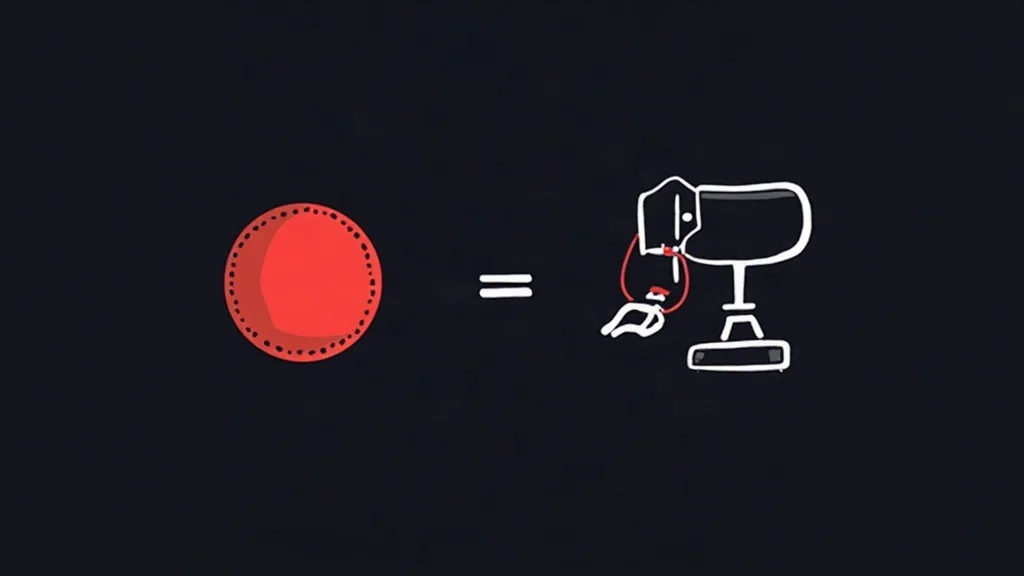
A website's real cost extends far beyond the design fee. Expect ongoing expenses for hosting, domains, security, maintenance, content, integrations, and marketing. Budget for both upfront and recurring costs to avoid surprises and keep your site performing.

When you ask for a website quote, the number you receive usually reflects design and build work. That figure is only the beginning. Many small business owners sign off on a project budget, only to be surprised months later by charges they never planned for. Understanding the full cost breakdown helps you make smarter decisions, negotiate with confidence, and avoid the frustration of a website that quietly drains your budget.
This guide walks you through the hidden expenses that go beyond design, so you can plan your investment realistically and protect your bottom line.
Why the Design Fee Is Just the Starting Point
The design and development quote covers the creative and technical work needed to build your pages. It typically includes layout, visual styling, page structure, and basic functionality. What it rarely includes are the ongoing costs required to keep that website online, secure, and effective.
Think of a website like a vehicle. The purchase price is significant, but fuel, insurance, servicing, and repairs continue for as long as you own it. A website works the same way. Treating the build fee as your total cost is one of the most common budgeting mistakes small businesses make.
When you understand the complete picture, you can compare vendors fairly. A low initial quote may hide expensive add-ons, while a higher quote might bundle services that save you money over time.
Recurring Costs That Never Disappear
Some website expenses continue every month or year for the entire life of your site. These are easy to overlook because they feel small individually, but they add up.
Domain registration. Your web address needs to be renewed annually. Most domains cost a modest amount per year, but premium or specialized extensions can be far more expensive. Forgetting to renew can mean losing your address entirely.
Web hosting. Your site needs a server to live on. Shared hosting is inexpensive but limited, while managed hosting, cloud hosting, or dedicated servers cost more and deliver better speed, reliability, and support. As your traffic grows, your hosting needs, and costs, grow with it.
SSL certificates. The padlock in a browser that signals a secure connection comes from an SSL certificate. Basic ones are often free, but businesses handling sensitive data or payments may need a paid certificate with stronger validation.
Email hosting. Professional email addresses tied to your domain usually require a separate subscription, billed per user each month.
These recurring items are predictable, which is their advantage. Once you know them, you can build them into your annual operating budget without surprises.
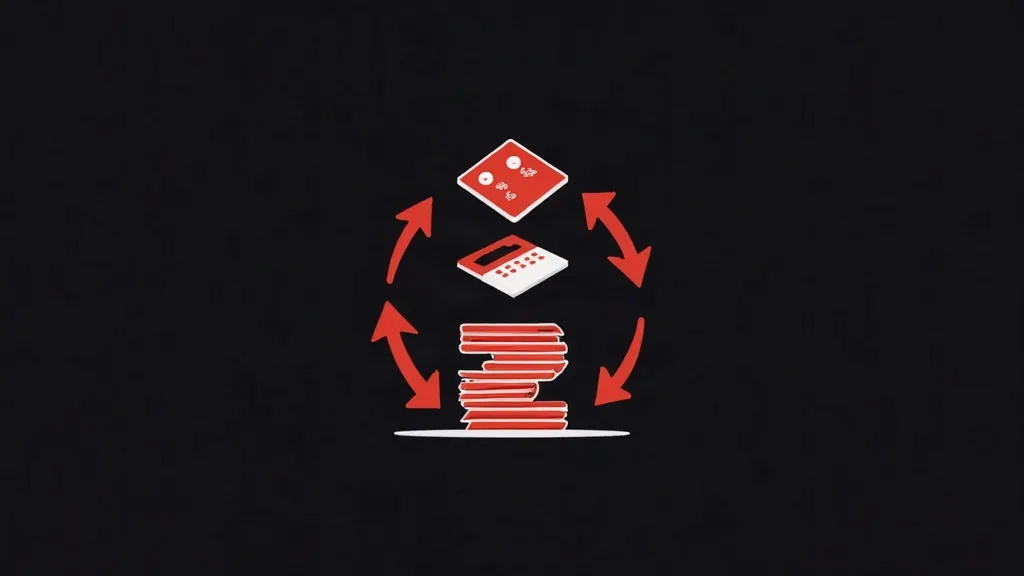
Maintenance, Updates, and Security
A website is not a finished product you build once and forget. It is software that needs ongoing care. Ignoring maintenance is how sites become slow, break, or get hacked.
Software updates. Content management systems, plugins, themes, and frameworks release updates regularly. These patches fix bugs and close security gaps. Someone has to apply them, test that nothing breaks, and resolve conflicts when they occur.
Security monitoring. Small business websites are frequent targets for automated attacks. Firewalls, malware scanning, and backup systems reduce your risk, but they come with subscription or service fees. The cost of prevention is almost always lower than the cost of recovering from a breach.
Backups. Regular, reliable backups protect you from data loss. If something goes wrong, a recent backup lets you restore your site quickly. Some hosts include this, while others charge extra.
Technical support. When something breaks, you need someone to fix it. Whether that is a retainer with your agency or pay-as-you-go support, factor in the cost of having help available.
Many agencies offer maintenance plans that bundle these services into a predictable monthly fee. For most small businesses, this is a wise investment that prevents expensive emergencies.
Content, Functionality, and Growth
The hidden costs that catch owners off guard most often relate to content and added functionality. Design brings the structure, but content and features bring the value.
Content creation. Words, images, and video rarely appear by magic. Professional copywriting, photography, and graphics all carry a cost. If you write content yourself, factor in your time. Weak content undermines even the most beautiful design, so this is not an area to cut corners.
Stock images and media licenses. High-quality visuals often require paid licenses. Using unlicensed images can expose you to legal claims, so budget for proper sourcing.
Premium plugins and tools. Features like booking systems, advanced forms, membership areas, and analytics tools frequently come with annual license fees. The free versions are often limited, pushing you toward paid tiers as your needs grow.
Integrations. Connecting your website to a CRM, email marketing platform, payment gateway, or accounting software may require setup work and ongoing subscription costs for those third-party services.
E-commerce costs. If you sell online, expect transaction fees, payment processing charges, and possibly platform fees on top of your build. These scale with your sales volume.
Future updates. Your business will evolve, and your website should too. New pages, redesigns, and added features are normal over time. Setting aside a modest annual budget for improvements keeps your site aligned with your goals.
Marketing and Performance Expenses
A website that nobody visits generates no return. Driving and converting traffic is a cost many owners forget to include in their website budget.
Search engine optimization. Ranking in search results requires ongoing SEO work: keyword research, technical fixes, content updates, and link building. This is a continuous effort, not a one-time task.
Paid advertising. If you want faster results, paid campaigns on search engines or social platforms require both ad spend and management time or fees.
Analytics and conversion tools. Understanding how visitors behave and improving your results often means investing in tracking tools, testing software, and the expertise to interpret the data.
Performance optimization. A fast website keeps visitors engaged and ranks better in search. Image optimization, caching, and content delivery networks may add small recurring costs that pay for themselves in better results.
Without a plan for attracting and converting visitors, even a well-built website struggles to deliver value. Budgeting for marketing ensures your investment actually works for your business.
How to Budget Realistically and Avoid Surprises
Now that you understand the full landscape, here is how to plan with confidence.
Separate upfront from ongoing. Build two budgets: one for the initial project and one for annual running costs. This gives you a clear view of your total cost of ownership rather than just the launch price.
Ask vendors detailed questions. Before signing, ask exactly what is included and what is not. Request a written breakdown of recurring fees, support terms, and any third-party costs you will be responsible for.
Prioritize ruthlessly. You do not need every feature on day one. Launch with what delivers the most value, then add functionality as your budget and needs grow. This spreads costs over time and reduces risk.
Set aside a contingency. Reserve around ten to fifteen percent of your project budget for unexpected costs. Projects rarely go exactly as planned, and a buffer keeps small surprises from becoming problems.
Consider a maintenance plan. A predictable monthly fee for updates, security, and support often costs less than handling emergencies individually and gives you peace of mind.
Think long term. The cheapest option up front is frequently the most expensive over time. A well-built, well-supported site costs more initially but saves money through reliability, better performance, and fewer problems.
Conclusion
The true cost of a small business website extends well beyond the design fee. Hosting, domains, security, maintenance, content, integrations, and marketing all shape your total investment. When you plan only for the build, you set yourself up for unwelcome surprises and a site that underperforms.
By mapping out both upfront and recurring expenses, asking the right questions, and prioritizing what matters most, you turn your website from an unpredictable expense into a managed, profitable asset. A clear cost breakdown is not about spending more. It is about spending wisely, so your website delivers lasting value for your business.
If you want a transparent, all-in picture of what your website will cost, both to build and to run, our team is ready to help you plan an investment that fits your goals and budget.